
Quick Answer
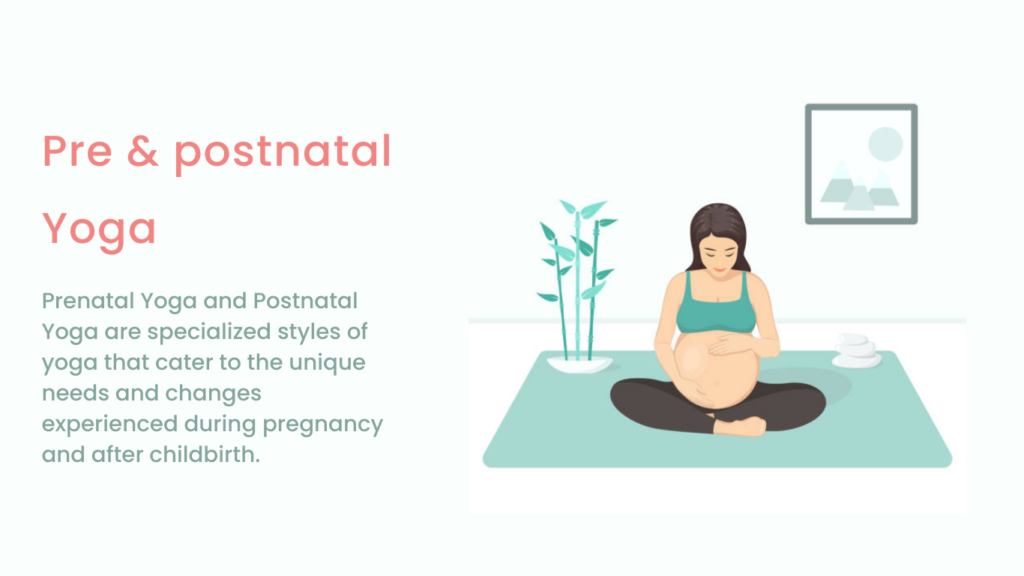
Prenatal and postnatal yoga adapt movement, breathing, relaxation, and mindfulness to pregnancy and the period after birth. A thoughtfully adapted practice may support comfort, body awareness, and emotional well-being. Individual needs and healthcare advice matter, and yoga does not guarantee a particular birth outcome or replace maternity care or postpartum treatment.
Key Takeaways
- Prenatal yoga focuses on adapting practice during pregnancy.
- Postnatal yoga makes room for rest, recovery, and a gradual return to movement after birth.
- Relaxation, body awareness, and a supportive community can be valuable parts of either practice.
- There is no single sequence or recovery timeline that suits everyone.
- Anandam’s current 100-hour residential training welcomes personal learners and partners alongside yoga teachers. Teaching certification has a separate 200-hour qualification requirement.
Pregnancy and early parenthood can change how you feel in your body and how much time you have for yourself. Yoga can offer a space to pause, notice your needs, and explore movement without pressure to perform.
The benefits of pre and postnatal yoga come from a practice that respects the person, their stage of pregnancy or recovery, and their preferences. Rest, a comfortable position, and a few moments of breath awareness can be as meaningful as a longer movement session.
What Is Prenatal Yoga?
Prenatal yoga is yoga adapted for pregnancy. Classes may include gentle movement, supported positions, relaxation, and breath awareness, with choices that reflect each participant’s comfort and experience.
Props such as blankets, bolsters, and blocks can help make positions more comfortable. A teacher with specialist preparation should be able to explain options and encourage students to rest or change position when needed.
Benefits of Prenatal Yoga
1. Comfortable Movement and Body Awareness
A modified practice offers opportunities to move, explore posture, and notice areas of tension. The aim is to find appropriate support rather than pursue deeper stretches or compare your flexibility with someone else’s.
2. Space for Relaxation
Breath awareness, gentle movement, and periods of rest can create a pause in a busy day. Some people find this helps them feel calmer and more connected to their present experience.
3. A Restful Routine
A comfortable relaxation practice may become part of an evening routine. It is not a guaranteed solution for pregnancy-related sleep difficulties. If disrupted sleep is persistent or worrying, discuss it with your healthcare professional.
4. Preparation Through Awareness and Choice
Exploring breathing, relaxation, and supportive positions can help you become familiar with practices you may find useful during pregnancy or birth preparation. Yoga cannot promise an easier labor, a vaginal birth, or freedom from pain.
5. Time to Connect with Your Pregnancy
Quiet attention and comfortable movement can offer time to notice your changing body and reflect on your pregnancy. This experience is personal, and there is no required way to feel or connect.
6. Community and Support
Group classes can provide opportunities to meet other pregnant people and share experiences. A welcoming class respects privacy and gives each participant the choice to talk, listen, or simply practice.
What Is Postnatal Yoga?
Postnatal yoga adapts practice to the period after childbirth. It considers the individual’s birth experience, recovery, energy levels, and healthcare guidance. Rest and gradual progression are central considerations.
Some classes welcome babies and allow feeding, interruptions, and time away from the practice. Ask about the format before attending so you know whether the class suits your needs.
Benefits of Postnatal Yoga
1. A Gradual Return to Movement
An adapted practice can provide a way to explore movement as recovery allows. Progress should reflect your symptoms, comfort, and healthcare advice rather than a deadline to regain your pre-pregnancy body.
2. Moments of Rest and Self-Care
Caring for a baby can make uninterrupted time difficult to find. A short, comfortable practice or a period of supported rest can offer a moment to attend to your own needs.
3. Reconnecting with Your Body
Body awareness can help you notice comfort, fatigue, and the need for an adaptation. Postnatal yoga should encourage respect for your body’s recovery rather than pressure to change its shape.
4. Emotional Support
A welcoming practice may offer relaxation and social connection. Yoga should not be presented as a treatment for postpartum depression or anxiety, or as a way to guarantee hormonal balance. If your mood or anxiety concerns you, seek support from a qualified healthcare professional.
5. Community with Other Parents
Postnatal classes can make space for the realities of early parenthood, including interruptions, changing energy levels, and different recovery experiences. Feeling welcome does not require completing every part of the class.
How Are Prenatal and Postnatal Yoga Different?
| Consideration | Prenatal yoga | Postnatal yoga |
|---|---|---|
| Stage | During pregnancy | After childbirth |
| Practice focus | Comfort, adaptations, rest, and pregnancy awareness | Recovery-aware movement, rest, and gradual progression |
| Individual needs | Stage of pregnancy, comfort, prior experience, and healthcare advice | Birth experience, symptoms, energy, recovery, and healthcare advice |
| Shared principle | Offer options and respect each person’s choices | Offer options and respect each person’s choices |
Choosing a Practice That Fits Your Needs
Discuss exercise during pregnancy or after birth with your healthcare professional. Tell your yoga teacher about relevant advice, symptoms, or concerns so the practice can be adapted appropriately.
Ask about the teacher’s prenatal and postnatal education, the class format, and the options for rest. Yoga teachers should stay within their training and refer medical questions to qualified professionals.
For general guidance, see the ACOG information on exercise during pregnancy and NHS guidance on the post-pregnancy body.
Would You Like to Learn More About Prenatal and Postnatal Yoga?
You do not need to plan a teaching career to study this subject. Anandam welcomes pregnant women, new mothers, husbands, wives, partners, including male partners, and anyone interested in personal learning or supporting a loved one.
Yoga teachers can also join to develop specialist knowledge. Only participants who have completed a 200-hour yoga teacher training are eligible to receive the teaching certificate after successfully completing the prenatal and postnatal course. A general 200-hour qualification provides a foundation; it does not automatically certify someone as a prenatal or postnatal specialist.
Learn with Anandam in Heimbach
- Course: 100-hour residential prenatal and postnatal yoga training
- Dates: November 20-29, 2026
- Location: Heimbach, Eifel National Park, Germany
- Language: English only
- Regular fees: €2,700 per person for a shared twin room or €2,900 per person for a private double room
- Included: Training, 9 nights of accommodation, breakfast, lunch, dinner, and study materials
- Participation: A 200-hour qualification is not required to join for personal learning or partner support
- Teaching certificate: Available only to eligible 200-hour graduates after successful course completion
Read the full course details or our guide to residential prenatal yoga training before booking.
Frequently Asked Questions
What is the difference between prenatal and postnatal yoga?
Prenatal yoga adapts practice during pregnancy. Postnatal yoga adapts practice after childbirth, with attention to recovery, rest, and a gradual return to movement. Both should respect individual needs and healthcare advice.
Can prenatal yoga guarantee an easier birth?
No. Research suggests potential benefits, but yoga cannot guarantee a shorter labor, a particular mode of birth, or freedom from pain. It should complement maternity care rather than replace it.
When can I return to yoga after giving birth?
There is no single timeline for everyone. Your birth experience, recovery, symptoms, and healthcare advice matter. Discuss returning to exercise with your qualified healthcare professional and choose a practice that can be adapted to you.
Do I need to be a yoga teacher to join Anandam’s course?
No. Anyone can join for personal learning or partner support, including pregnant women, new mothers, husbands, wives, and male partners. A completed 200-hour yoga teacher training is required only for eligibility for the teaching certificate, which also requires successful completion of this course.
What are the upcoming course dates, language, and fees?
The 100-hour residential course runs November 20-29, 2026 in Heimbach, Germany, taught in English only. Regular fees are €2,700 per person for a shared twin room or €2,900 per person for a private double room, including training, 9 nights of accommodation, meals, and study materials.
Does a general 200-hour yoga course qualify me as a prenatal yoga specialist?
A general 200-hour yoga teacher training provides a teaching foundation rather than automatic prenatal or postnatal specialist certification. At Anandam, only participants who have completed a 200-hour yoga teacher training are eligible to receive the teaching certificate after successfully completing the specialist prenatal and postnatal course.
