Choosing a yoga teacher training (YTT) is a landmark decision. But in 2026, the “true cost” of a 200-hour YTT isn’t just the tuition—it’s the total investment including international travel logistics, lifestyle costs, and the long-term portability of your certificate.
Many aspiring teachers compare Bali vs. Germany to find the right balance of price and quality. If you are looking for a tropical, all-inclusive immersion, our 200 Hour Yoga Teacher Training in Bali offers a retreat-style experience that covers almost all living expenses. Conversely, for those seeking a modular or professional urban format, our 200 Hour Yoga Teacher Training in Germany provides the perfect gateway to the Western yoga market.
This detailed guide breaks down the real numbers for 2026 to help you choose the best value for your future, whether you choose the spiritual heart of Indonesia or the professional hub of Germany.
| Factor | Bali (Intensive Retreat) | Germany (Professional/Modular) |
| Average Course Fee | $1,500 – $2,800 USD | €2,200 – €3,800 EUR |
| Learning Style | Immersive: 21–28 days of “Yogic Living.” | Structured: Weekends or 14-day intensives. |
| Accommodation | Included: On-site villas or eco-resorts. | Usually Extra: Students book local Airbnbs. |
| Meals | Included: 2-3 plant-based meals daily. | Extra: Self-catered or local dining. |
| 2026 Entry Fees | e-VOA ($35) + Bali Levy ($10). | Schengen Visa (if non-EU). |
| Career Edge | Global Networking & Retreat Leadership. | EU Studio Credibility & ZPP Recognition. |
For students comparing multiple destinations across the continent, our detailed guide on Yoga Teacher Training in Europe explains certification standards, training formats, and career pathways in different European countries.
Planning to join us in Germany this year 2026? To ensure your budget is 100% accurate for 2026, please note these recent changes:
National Transport: The Deutschlandticket (unlimited regional trains) price has been updated to €63/month as of Jan 1, 2026. This covers your journey from the airport to our school at no extra cost.
Entry Rules (ETIAS): For US, UK, and Canadian citizens, the new ETIAS digital authorization ($8/€7) is rolling out later in 2026. For our 2026 intake, standard visa-exempt rules still apply.
Limited Space: We are in the final enrollment months for the 2026 intake.
Bali remains the global heart of “Transformation Tourism.” For 2026, the island has modernized its entry systems, making it a high-value, low-friction destination for international students.

Germany represents a different—but equally powerful—approach. Courses here focus on functional anatomy, precision alignment, and European teaching standards.
If Germany aligns better with your budget, visa goals, and career plans, this complete roadmap explains exactly how a professional 200-hour training works in 2026.
For students who prefer a European setting, the 200 Hour Yoga Teacher Training in Germany offers a structured and immersive learning experience with its own location-based advantages.
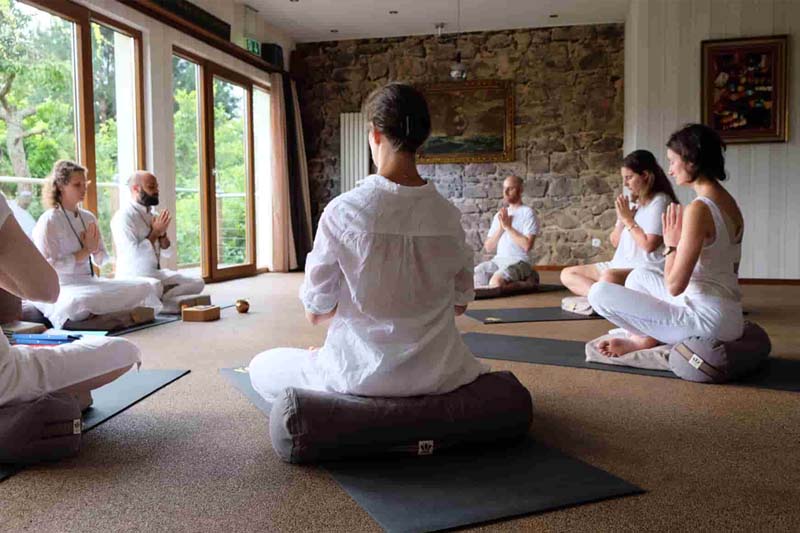
Whether you train in the tropics or the city, your certificate must be globally portable. As of 2026, Yoga Alliance has implemented “Elevated Standards.” To ensure your ROI, your school must provide:
To avoid “budget shock,” international students should account for:
Planning to join us in Germany this March? To ensure your budget is 100% accurate for 2026, please note these recent changes:
National Transport: The Deutschlandticket (unlimited regional trains) price has been updated to €63/month as of Jan 1, 2026. This covers your journey from the airport to our school at no extra cost.
Entry Rules (ETIAS): For US, UK, and Canadian citizens, the new ETIAS digital authorization ($8/€7) is rolling out later in 2026. For our 2026 intake, standard visa-exempt rules still apply.
Limited Space: We are in the final enrollment months for the 2026 intake.
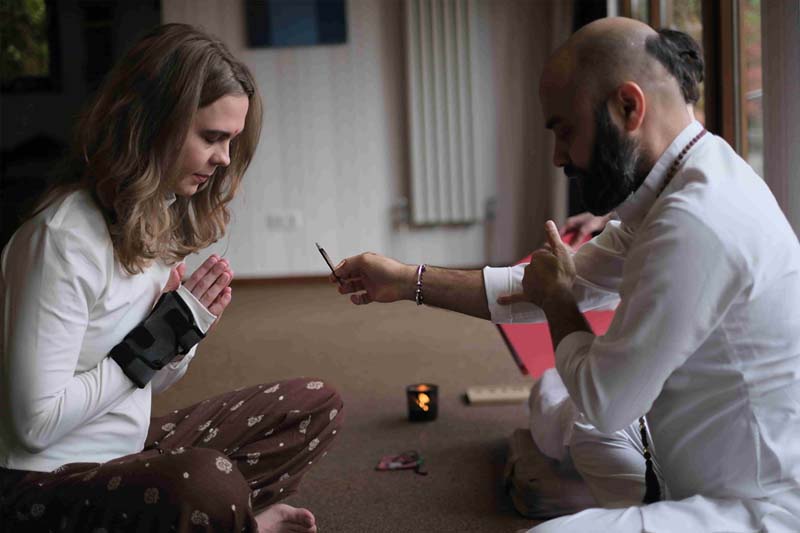
If you are comparing prices, it is important to review what is included in a 200 Hour Yoga Teacher Training in Bali, such as accommodation, study materials, certification, and daily practice.
Bali remains the global heart of “Transformation Tourism.” For 2026, the island has modernized its entry systems, making it a high-value, low-friction destination for international students.
Absolutely – if you choose the right school.
A Yoga Alliance RYT 200 certification allows you to:
Teach yoga internationally
Gain professional credibility
Build confidence as an instructor
Progress toward advanced 300 Hour YTT and 500-hour training
Beyond cost, students should also check whether the program leads to RYT-200 Yoga Alliance certification, which is essential for teaching yoga internationally.
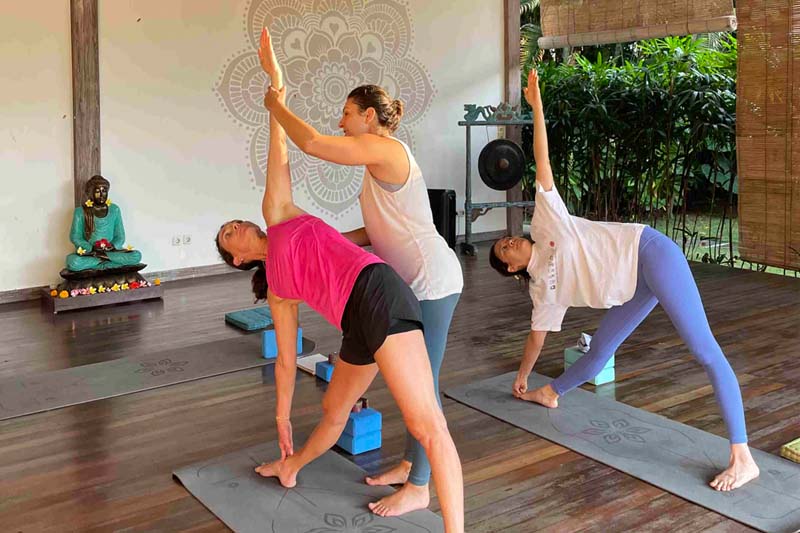
In 2026, expect to pay between $1,500–$2,800 USD for a comprehensive retreat package including food and stay.
Technically, yes. While tuition is similar, the cost of living in Germany (accommodation and meals) is significantly higher than in Bali.
Yes. As long as your school is a Registered Yoga School (RYS) with Yoga Alliance, your certification is recognized worldwide.

When comparing the cost of yoga teacher training in Bali vs. Germany, don’t just look for the lowest price. Look for the Return on Investment. A “cheap” course might save you money today, but a high-quality, internationally recognized program at a school like Anandam Yoga School gives you the confidence, networking, and professional credentials to build a sustainable, high-paying yoga career.