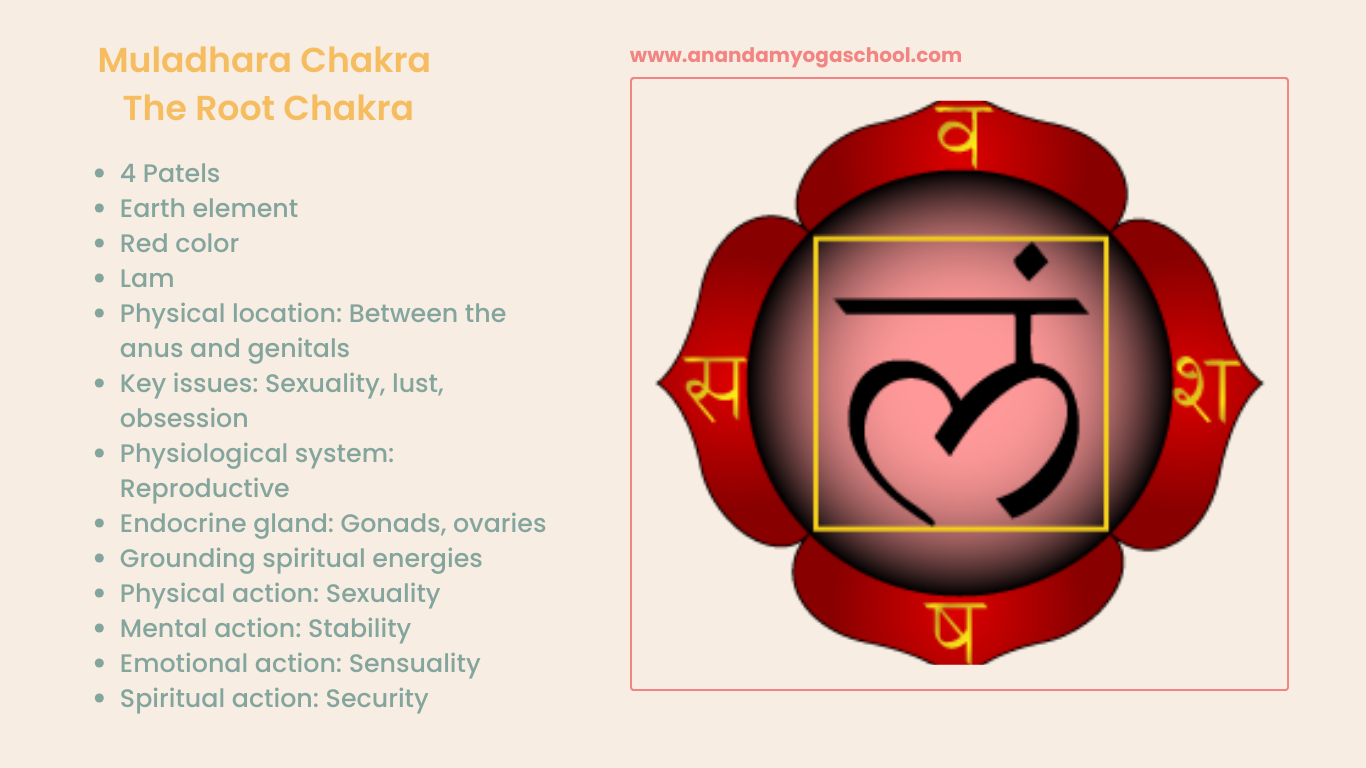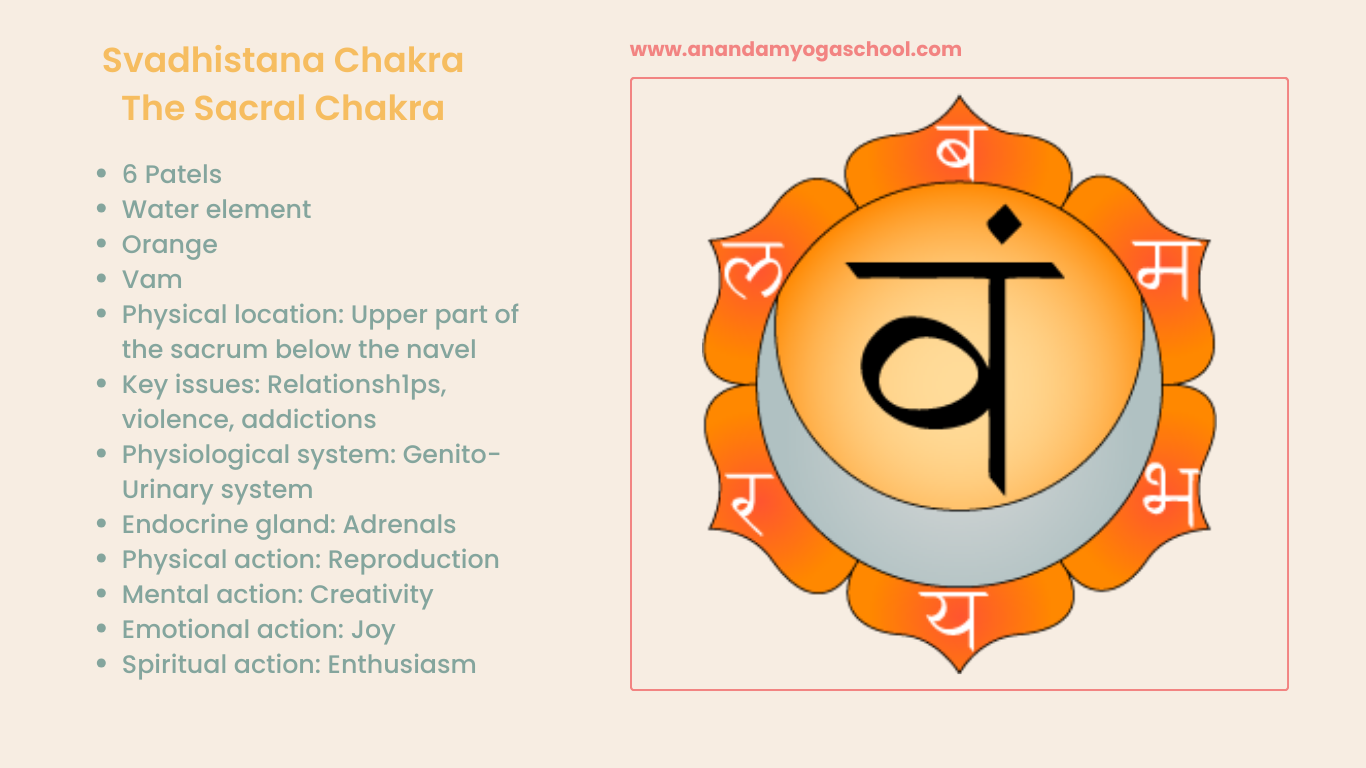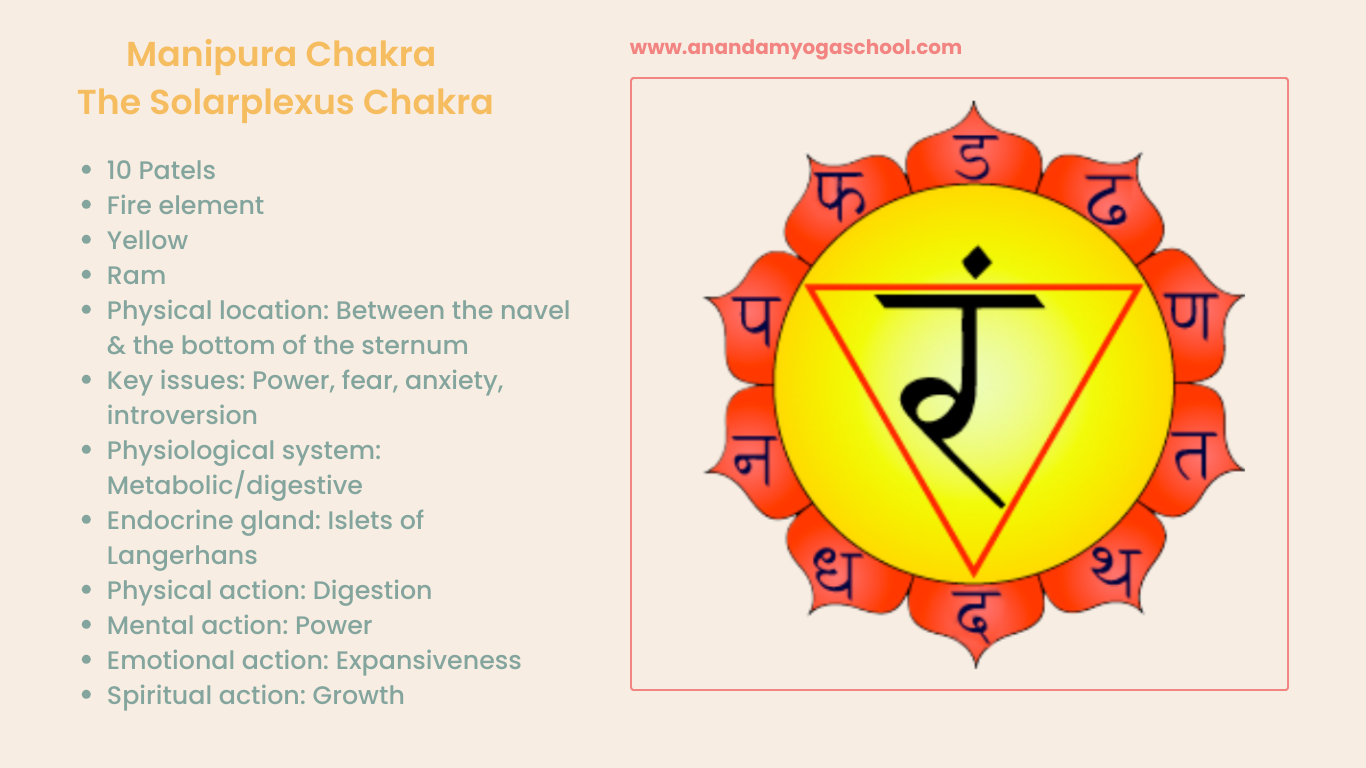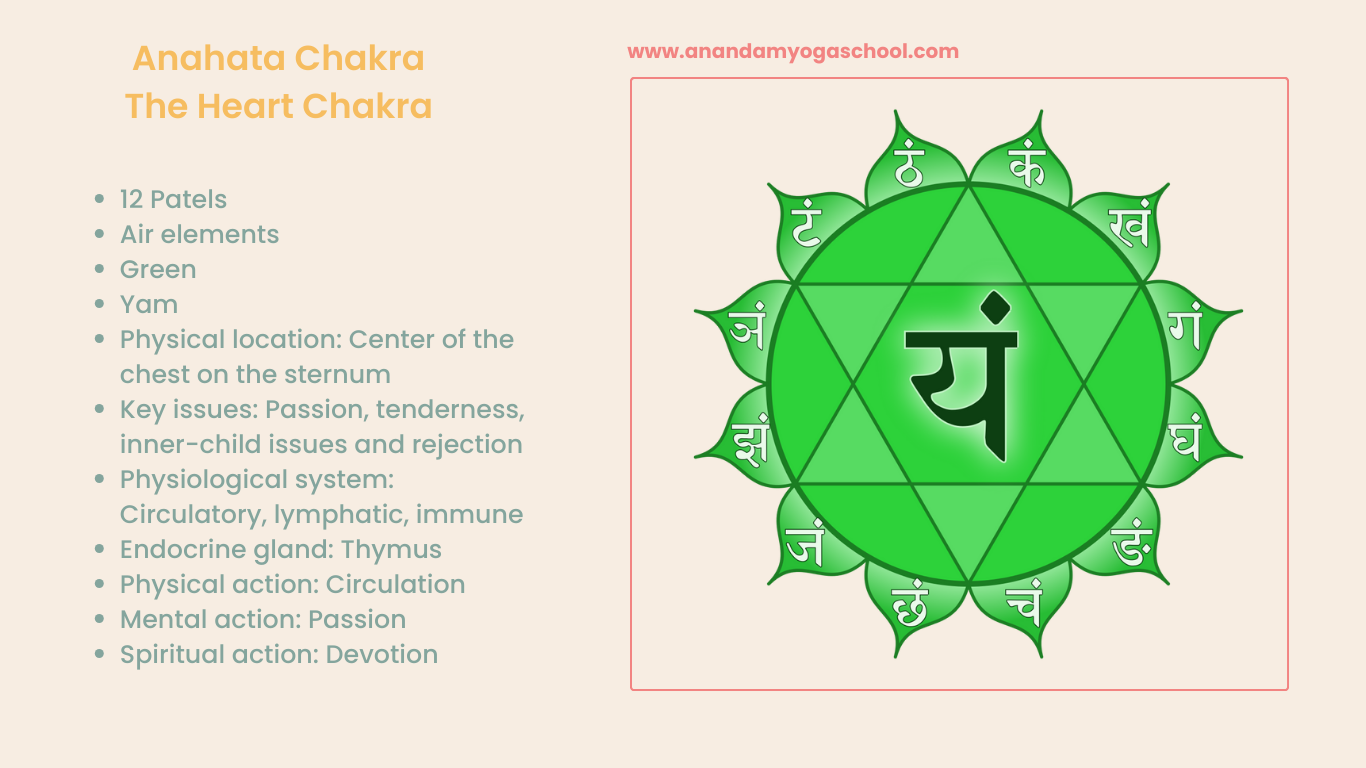
What are Chakras in the Human Body?
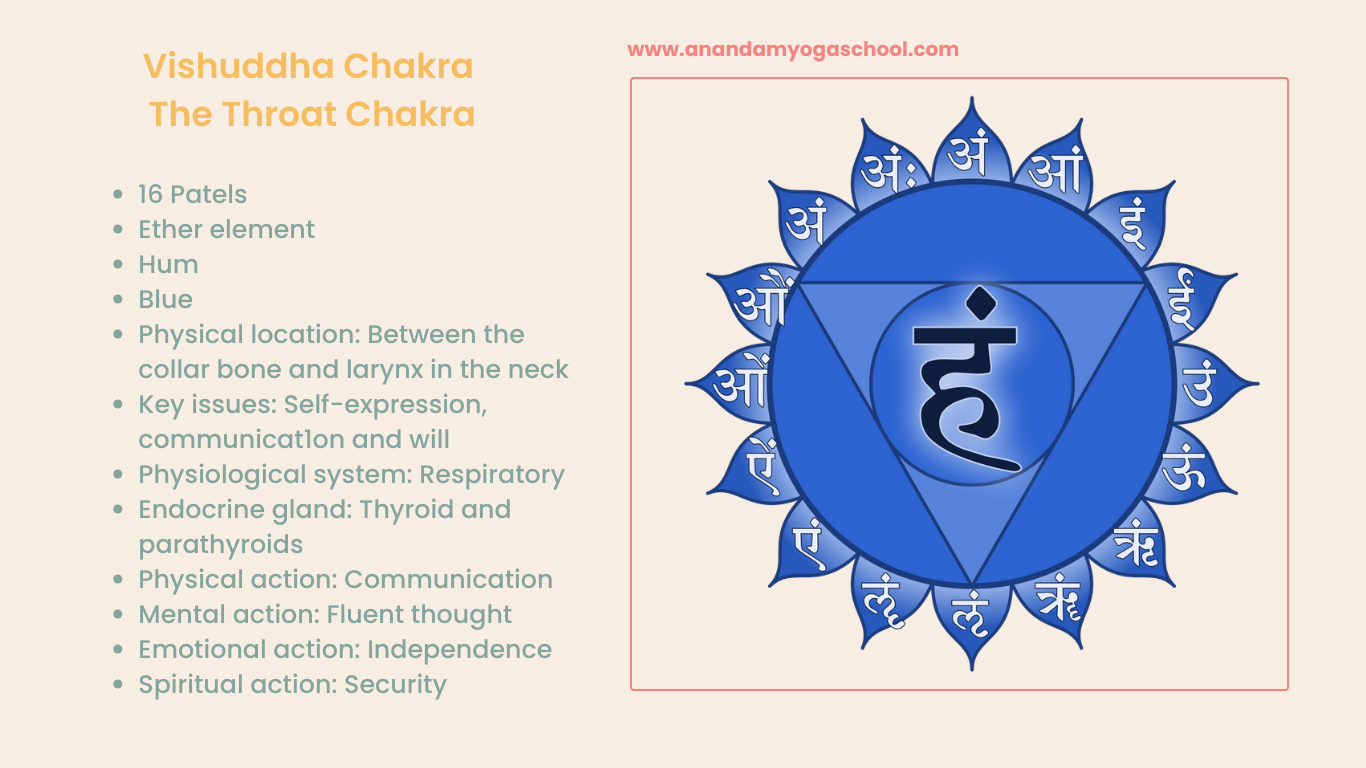
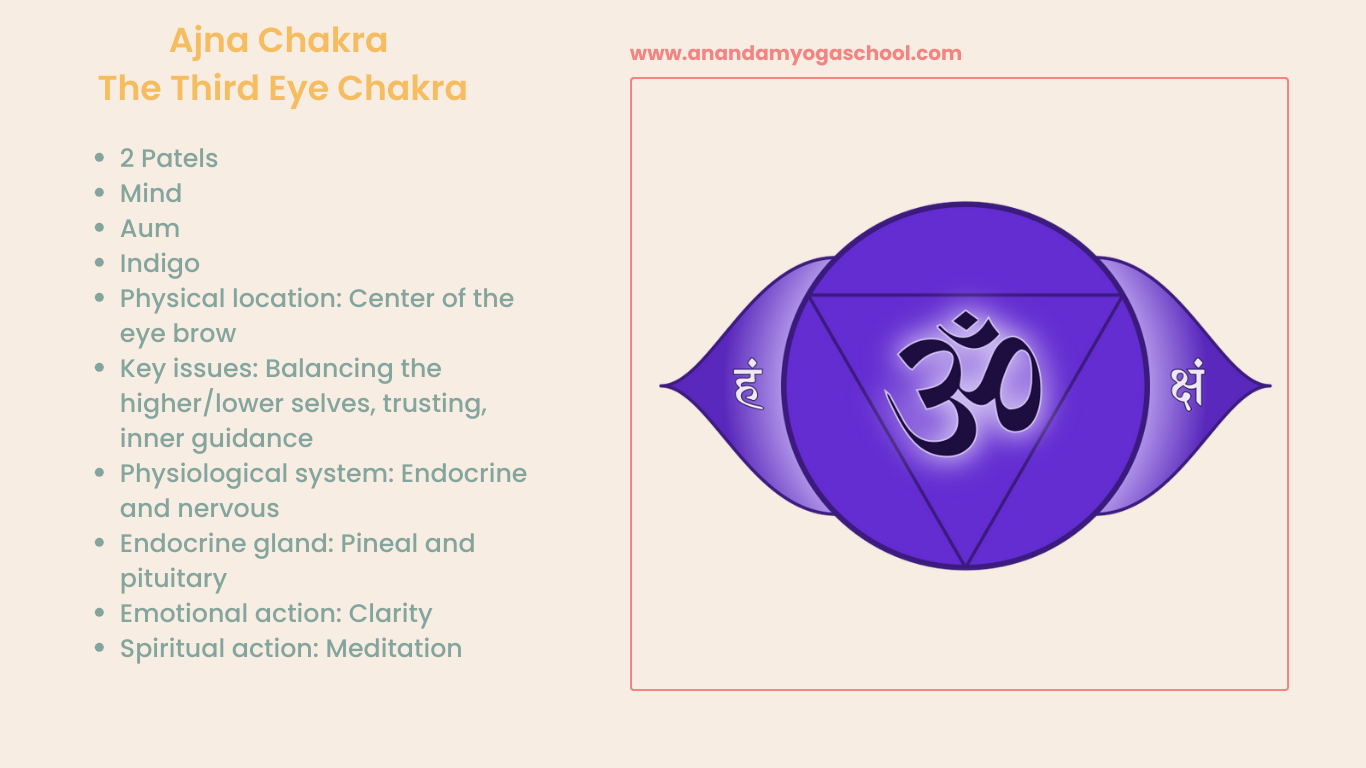
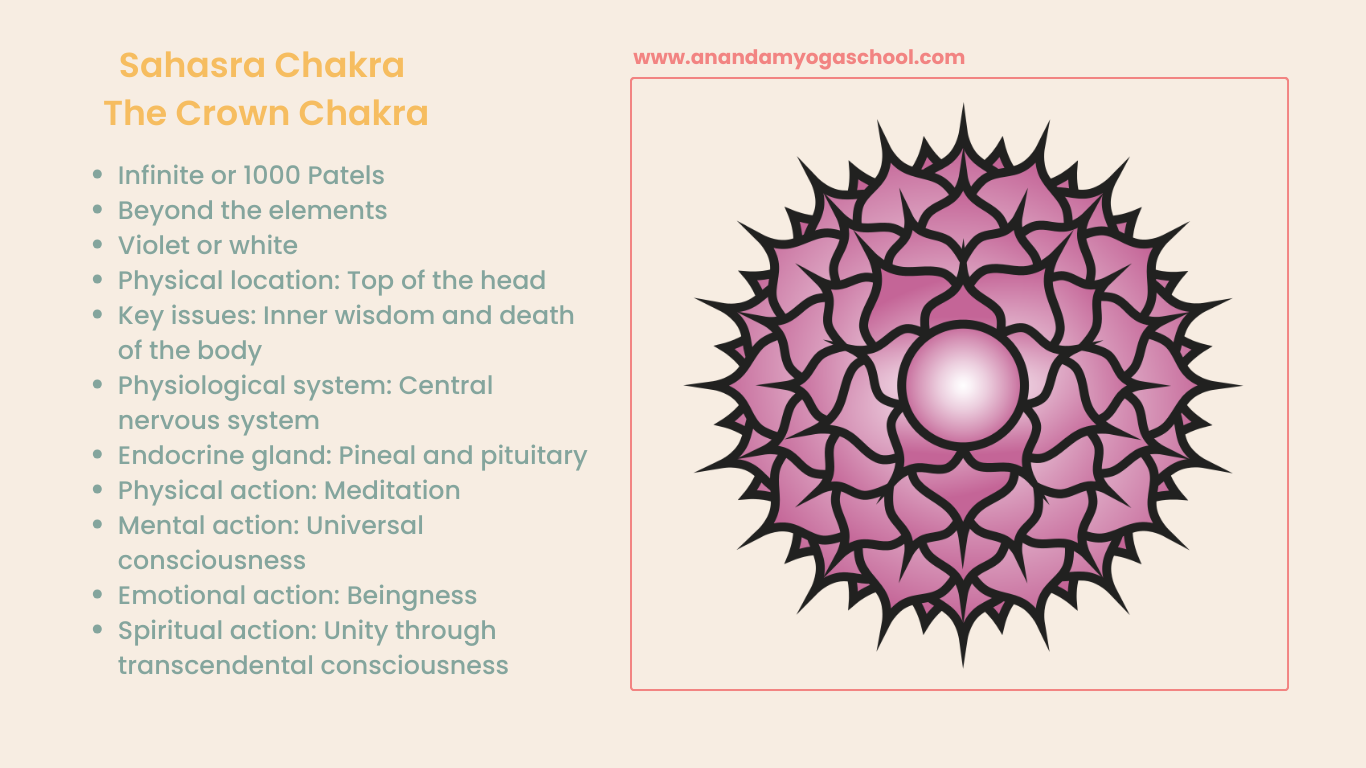
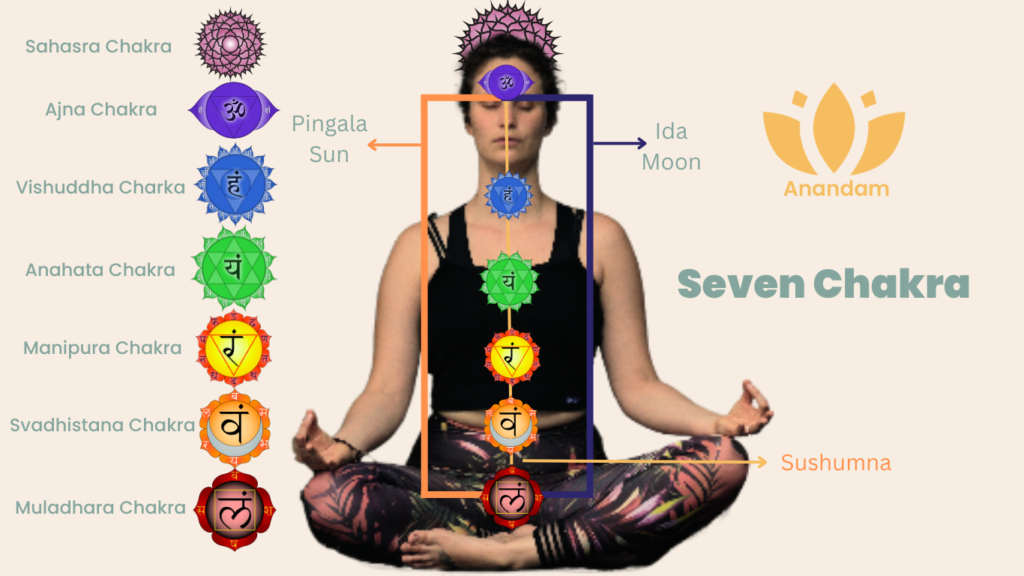
The Sanskrit word “chakra” can be translated as “wheel” and refers to an energy point in the body. You can imagine them as spinning wheels or discs of energy. They are junction points where the different nadis (energy channels) meet and represent a connection between our physical and astral (energy) body. The main seven chakras run along the spine located at the major branchings of the human nervous system, beginning at the base of the spinal column and moving all the way up to the top of the skull.
These energy centers play a central role in yoga philosophy, meditation, and subtle anatomy, which are core subjects taught in a comprehensive Yoga Teacher Training program. In structured courses such as the RYT 200 Certification, This deep energetic knowledge is a pillar of the best yoga teacher training in Europe, ensuring graduates can lead truly transformational classes, students learn how chakras correspond to nerve ganglia, glands, body functions, states of consciousness, and different stages of human development.
The chakra system is a complex and ancient energy framework first mentioned in the Vedas. For overall well-being, it is essential that the chakras remain open and balanced. However, modern lifestyles often create energetic blockages, leading to physical, emotional, and mental disturbances.
Pranayama and yoga postures are particularly effective in rebalancing and stimulating the chakras. This is why chakra-focused practices are deeply integrated into Yoga Teacher Training curriculam, especially in immersive programs such as Yoga Teacher Training in Bali, where spiritual awareness and energy work are practiced in depth.
The Chakras and the Nadis
Prana, our life force flows through the body in subtle energy channels or pathways known as nadis. These nadis are like roads within the body’s energy highway system. Where two or more roads cross, energy junctions form. These are the chakras. The seven major crossing points are the seven major chakras, while less busy intersections form minor chakras. According to the yogic scriptures there are more than 72000 and about 114 chakras in the human body. When your energy highway is free from traffic jams, prana can travel freely. Practicing certain meditations and yoga asanas is believed to help clear any blockages so that prana can flow freely. When we practice yoga, we are seeking to clear these pathways so our energy can flow more freely. Each pose is designed to help open the energy channels and pranayama helps us to direct and increase the vital force of the 72,000 nadis in your body.
How many chakras are in the body?
Major and Minor Chakras
The seven major chakras represent significant crossing points along the body’s energy pathways, while minor chakras are formed at less busy intersections. According to yogic scriptures, there are more than 72,000 nadis and approximately 114 chakras within the human body.
Free Flow of Energy
When your energy highway is clear from traffic jams, prana, or life force energy, can travel freely throughout the body.
Clearing Blockages
Practicing certain meditations and yoga asanas is believed to help clear any blockages along these energy pathways, facilitating the unimpeded flow of prana.
Yoga Practice and Energy Flow
Engaging in yoga practice aims to clear these pathways to enable the free flow of energy. Each yoga pose is designed to open energy channels, while pranayama techniques help in directing and increasing the vital force through the 72,000 nadis in the body.
In our Yoga trainings in Bali we teach you how to incorporate the knowledge about the seven chakras in your practice and teachings. In our advanced 300 hours Yoga teacher training course you will learn how to plan Yoga classes around the seven chakras and how to use different asanas and breathing techniques to rebalance each chakra.
A quick exercise on how to experience the effects of the nadis in the physical body
There is a simple exercise you can do to experience the effect of the nadis in your physical body. For this
- Place each thumb face up about a ½ inch under each nostril
- Exhale a few times with a little more force than is natural
- Notice how your breath feels a little stronger on one side
- Repeat this process throughout the day – you will probably notice that your “stronger” side changes every couple of hours
This change in the “stronger” side you are experiencing is completely normal and reveals the change in the predominance of the left (ida) or right (pingala) nadi. Depending on your activity and the time of the day either the moon energy (ida) or sun energy (pingala) is more active.
The only time the breath flows evenly through both nostrils is during meditation, or when your body and mind are fully aligned. Then prana increases in the central channel – the sushumna. At this time, both sides of the brain are said to be completely balanced, which may help restore balance in all spheres of life. Yoga breathing exercises (pranayama) are helpful in dissolving energy blockages in the nadis and bringing life force into the sushumna.