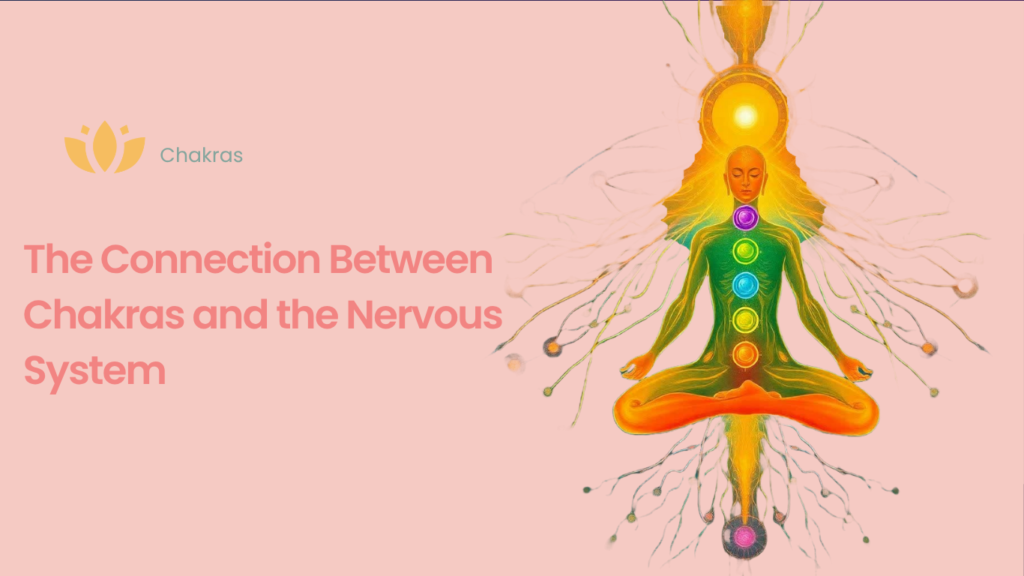
Have you ever noticed how stress can make your stomach feel uneasy or how a deep breath can instantly calm your mind? The mind-body connection is undeniable, and at the heart of this relationship lies the nervous system and the chakras. While chakras are often viewed through a spiritual lens, they also have a profound link to our physical body, particularly the nervous system.
In yoga philosophy and modern yoga science, this connection is explored through subtle anatomy, breathwork, and meditation, which are key components of professional Yoga Teacher Training programs. During a structured RYT 200 Certification, students learn how each chakra aligns with specific nerve plexuses and influences mental, emotional, and physiological responses.
This profound understanding of the energy body was originally mapped by the Main Seven Indian Sages, whose traditional wisdom serves as the foundation for the techniques we use today.
Understanding how the chakra system interacts with the nervous system allows practitioners to use yoga asanas, pranayama, and meditation more effectively. This integrative approach is strongly emphasized in Yoga Teacher Training Europe, where anatomy and philosophy are taught in a structured, evidence-based manner alongside traditional yogic wisdom.
In this post, we will explore how the chakra system aligns with the nervous system, affecting our mental, emotional, and physical well-being. Understanding this connection can help us use yoga, breathwork, and meditation more effectively to bring balance and harmony into our lives.
The deep connection between our energy centers and the autonomic nervous system is a core pillar of our curriculum. If you want to master these scientific and yogic traditions, our
200 hour yoga teacher training in Bali and yoga teacher training in Germany provide the professional foundation needed to teach with authority and depth.
✨ 2026 Intake: Save €700 with Early Bird Pricing!
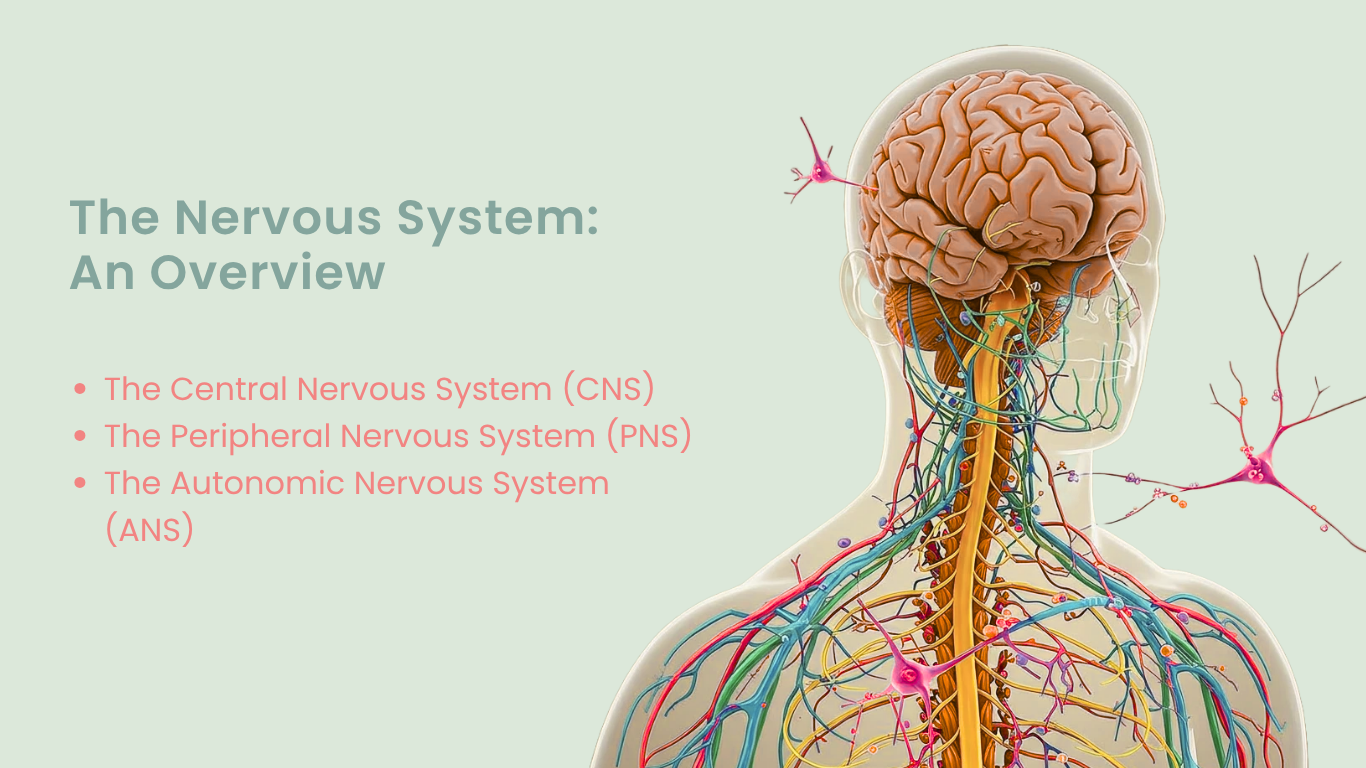
The nervous system is the body’s communication network, responsible for transmitting signals between the brain and the rest of the body. It is divided into:
Now, let’s see how the chakras align with these systems.
Each chakra corresponds to a major nerve plexus and endocrine gland, influencing physiological and emotional functions. Below is a breakdown of their connections:
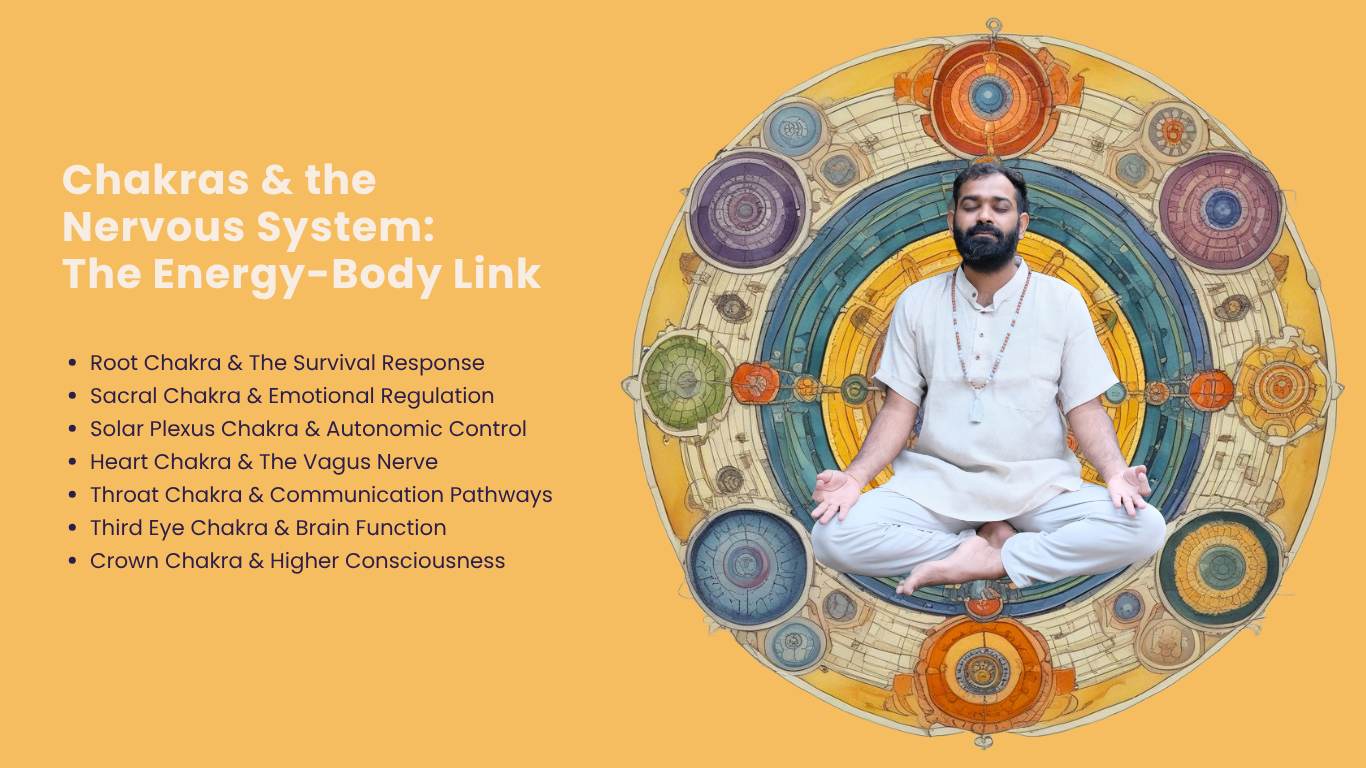 Root Chakra (Muladhara) & The Survival Response
To learn more about the emotional healing properties of this center, read our full breakdown of the Anahata Heart Chakra and Emotional Balance.
To understand the deep science behind this connection, see our full breakdown of the Ajna Chakra & the Pineal Gland, where we explore how neuroscience meets traditional Indian lineage.
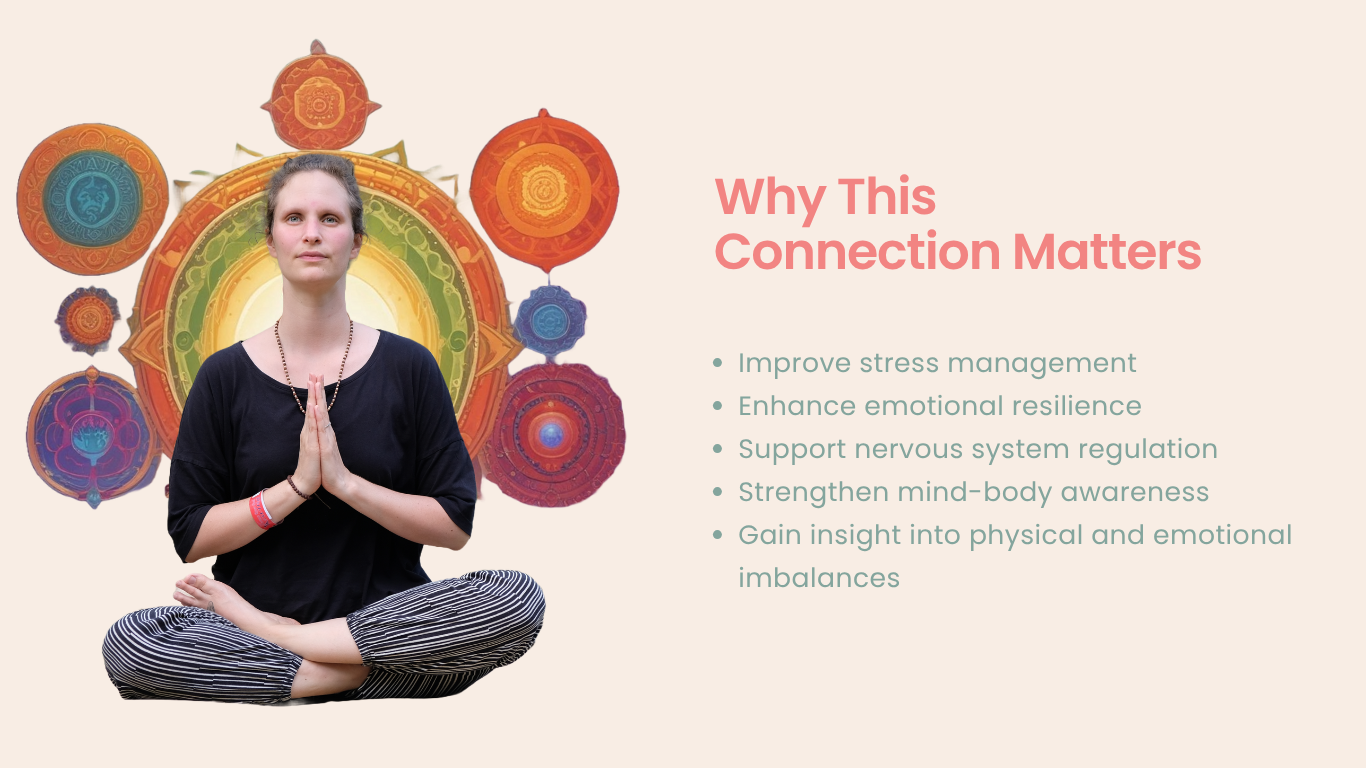
Understanding the link between chakras and the nervous system provides a holistic approach to health and well-being. By aligning both energy centers and physiological functions, you can:
Many common symptoms—such as digestive issues, anxiety, fatigue, and chronic pain—can be linked to imbalances in both the chakras and the nervous system. For example digestive issues, such as bloating, constipation or IBS (irritable bowel syndrome), can often be associated with an imbalanced solar plexus chakra and a prolonged state of sympathetic nervous system activation, which disrupts the body’s ability to properly digest and absorb nutrients.
Recognizing these links allows for a deeper understanding of physical and emotional health, offering an integrative way to address discomfort and imbalance through both energetic and scientific perspectives.
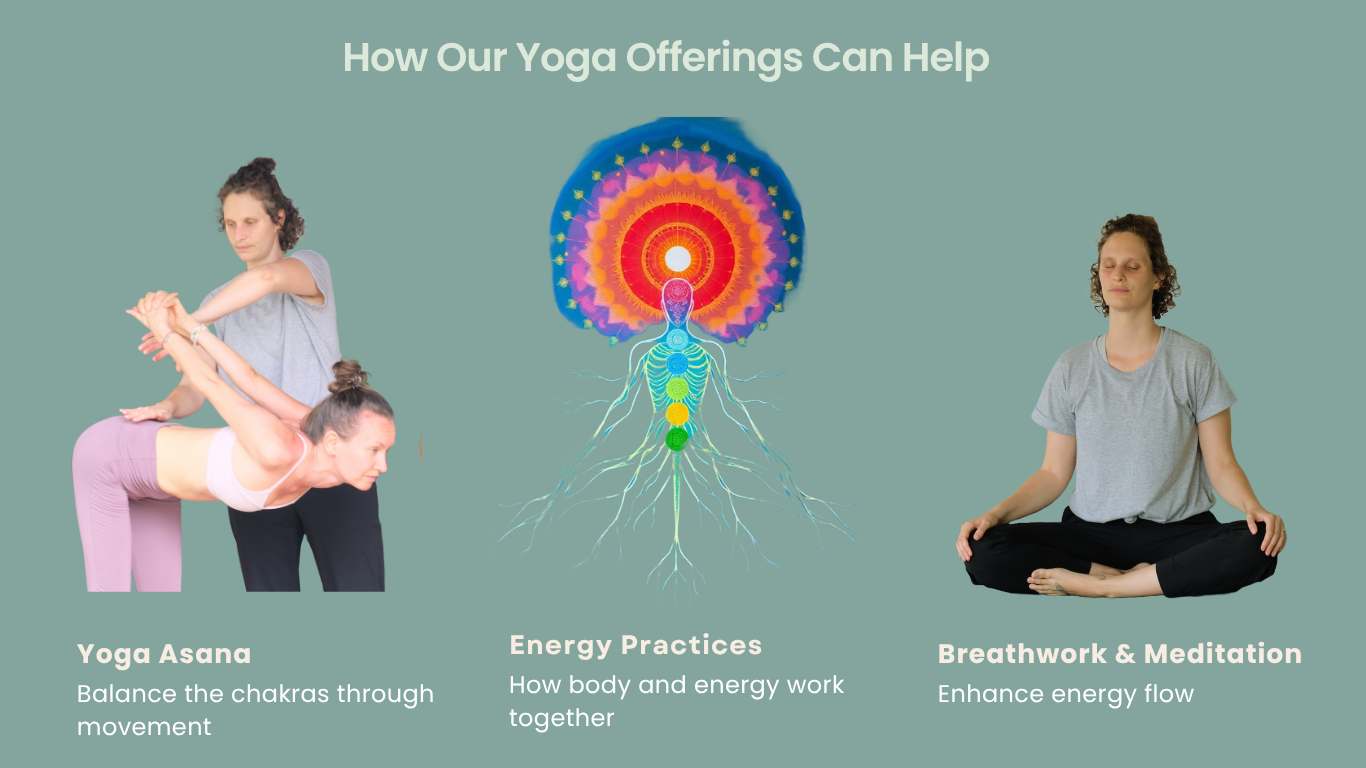
At our yoga retreats and teacher trainings, we integrate these teachings by combining:
Whether you’re looking to cultivate inner peace, strengthen your nervous system, or deepen your chakra practice, our Yoga teacher trainings and yoga retreats in Bali, Germany, and India provide the tools and support to help you on your journey.
Recognizing how chakras and the nervous system interact allows us to take a balanced, scientific, and energetic approach to wellness. By working with both, we create a harmonious foundation for a vibrant life.
Take a moment to pause: Which chakra do you feel most connected to in your body?
Over the next couple of days explore: Are there any nervous system imbalances you experience that might be linked to your chakras?
Chakras are traditionally associated with nerve plexuses and endocrine glands. Each chakra aligns closely with major junctions in the nervous system, influencing both physiological responses and emotional states.
Yes. For example, the solar plexus chakra aligns with the autonomic nervous system, while the heart chakra corresponds to cardiac and respiratory nerve networks.
Yes. Yoga practices such as asana, pranayama, and meditation help regulate the nervous system by activating the parasympathetic response, reducing stress and improving emotional balance.
The chakra system originates from yogic philosophy, while modern science studies the nervous system anatomically. Many practitioners observe practical overlap, especially in stress regulation and mind–body awareness.
Yes. Reputable yoga teacher training programs explore both traditional chakra philosophy—stemming from the ancient teachings of the Seven Indian Sages—and modern anatomy to help students understand the mind–body connection holistically.
Ready for the deep dive? Explore our comprehensive guide to The Seven Chakras: Everything You Need to Know About Your Energy Centers to understand how each center influences your life and practice.
If you are ready to move beyond theory and master the somatic application of these principles, see our definitive study on the future of the Yoga Teacher Training 200 Hour certification.
Popular Courses in Bali
200 hour Yoga Teacher Training in Bali | 300 hour Yoga Teacher Training in Bali | 500 hour Yoga Teacher Training in Bali | 50 Hours Yin Yoga Training in Bali | 50 hours Pranayama Training in Bali | 50 hours Yoga Nidra Training Bali | 50 hours Arm Balancing Training Bali | 100 hour Ashtanga Training Bali
Popular Courses in Germany
200 hour Yoga Teacher Training in Germany | 300 hour Yoga Teacher Training Germany | 50 Hour Yin Yoga Training Germany | 50 Hour Pranayama Training Germany | 50 hour Yoga Nidra Training Germany | 50 Hour Arm Balancing Training | 100 hour Ashtanga Training Germany