Germany offers a unique balance of structure and opportunity for yoga teachers. Unlike destinations where yoga teaching is informal or seasonal, Germany treats yoga as a professional wellness discipline.
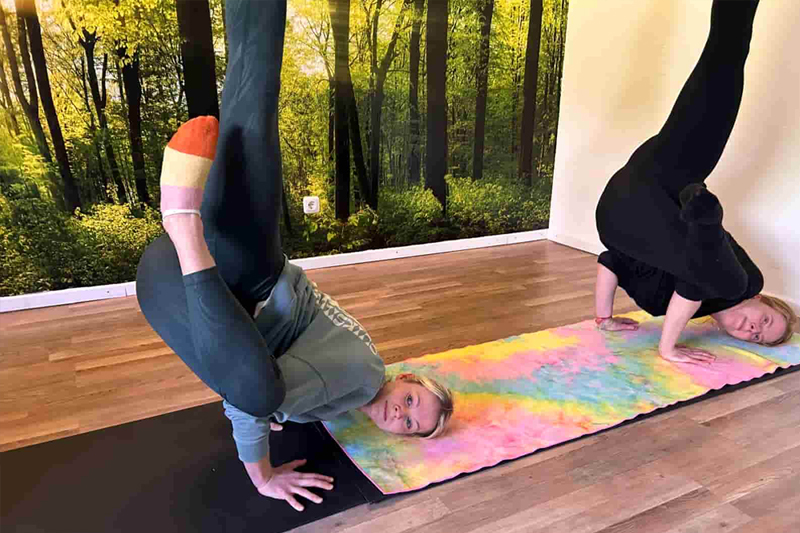
For those seeking a serious, career-oriented yoga path, Germany stands out in Europe.

Yoga teacher income in Germany varies depending on experience, location, and employment type. By 2026, rates have adjusted to reflect the growing demand for wellness professionals.
Typical earning ranges (Gross):
Most teachers start part-time and gradually increase income as they build a student base, teach at multiple locations, and offer specialized classes.
Certified yoga teachers in Germany commonly find work in:
Cities such as Berlin, Munich, Hamburg, Frankfurt, and Cologne have especially active yoga communities. English-language teaching opportunities are widely available, particularly in international and expat-focused studios.
Transform your passion into a career with our Yoga Alliance certified RYT-200 program. Secure your spot for the 2026 intake.
Register for our upcoming 200 Hour Yoga Teacher Training in GermanyMost professional yoga teacher training programs follow global standards such as the Yoga Alliance RYT 200 certification, which ensures international recognition.
This certification allows you to:
While not an entry requirement, ZPP recognition means German health insurance companies will reimburse your students’ fees. To reach this level, you generally need a 500-hour path, but starting with a high-quality 200-hour course is the necessary first step.
Anandam Yoga School’s 500-hour certification meets the requirements needed to apply for ZPP registration. You can complete this qualification pathway step by step at Anandam Yoga School: by beginning with a 200-hour training and then continuing with an additional 300-hour advanced certification. Together, these two trainings form a 500-hour certification that qualifies you to apply for ZPP registration, opening the door to greater professional recognition and reimbursement opportunities in Germany.
If you are a non-EU citizen, Germany offers the Freelance Visa (Freiberufler).
Key legal requirements for 2026:
German language skills are helpful-but not mandatory at the beginning. Many international teachers start by teaching English-language classes or working with expat communities. Over time, reaching B1-level German increases opportunities, especially for insurance-recognized programs and local health institutions.
For students planning to begin their professional yoga journey in Europe, our upcoming Germany-based 200-hour yoga teacher training in Germany 2026 provides a structured and internationally recognized foundation.
Enroll in the 2026 Germany Yoga Teacher Training
– Transform Your Passion into a Career
All programs are held at Heimbach in the Eifel National Park — Yoga Alliance certified, Indian lineage teaching, small groups. The foundation for a long-term yoga career in Germany and Europe.
Step 1 · Start here
Your global licence to teach. Covers Hatha, Vinyasa, anatomy, philosophy, and full teaching practicum.
From €3,800 early bird · shared twin
View Dates & Fees →Step 2 · Deepen
Advanced sequencing, subtle body, teaching mastery. Required for RYT 500 and ZPP insurance recognition.
Contact for pricing 2026 dates available
View 300hr Program →Specialise · Add skills
Yin Yoga, Yoga Nidra, Pranayama, Arm Balancing, Ashtanga. 5-day intensives. Stack toward ZPP eligibility.
From €1,100 5 nights + breakfast
View Speciality Courses →Want ZPP insurance recognition in Germany?
The ZPP (Zentrale Prüfstelle Prävention) is the key to teaching insurance-reimbursed classes in Germany — commanding significantly higher rates. Anandam's 500hr pathway (200hr + 300hr) meets ZPP requirements. View the 500hr ZPP pathway →
Yes. International teachers can legally teach yoga with a Freelance Visa (Freiberufler) or a valid work permit, provided they have recognized certification.
Yes. It is the gold standard for private studios, gyms, and international wellness centers across Germany.
Most teachers develop stability over 1–2 years by building a “hybrid” income of studio classes, private clients, and corporate sessions.
Germany offers one of the most clear, respected, and professional yoga teaching environments in Europe. With the right certification, realistic expectations, and structured training, international students can build a meaningful and sustainable yoga career.
Starting with a 200-hour yoga teacher training in Germany provides the foundation needed to enter the profession confidently and grow step by step.