
The Ultimate Guide to Yoga Disciplines in Sanskrit
Introduction: The Roots of Modern Yoga
In the world of modern yoga, we often focus on the physical practice of Asana. However, to truly understand the science of the self, one must look back at the traditional yoga disciplines in Sanskrit. These ancient “Margas” (paths) provide the blueprint for how we live, breathe, and teach today.
Whether you are a student or preparing for a 200 Hour yoga teacher training in Bali, mastering this Sanskrit terminology is the first step toward authentic mastery.
The 4 Main Yoga Disciplines (Sanskrit: Yoga Margas)
In the Vedic tradition, there are four primary disciplines or “paths” designed to suit different human temperaments.
1. Karma Yoga (The Discipline of Action)
The path of selfless service. It involves performing one’s duty without attachment to the results. In a traditional Hatha yoga guide, Karma Yoga is often the foundation of community living during a retreat.
2. Bhakti Yoga (The Discipline of Devotion)
The path of love and devotion to the Divine. This includes chanting (Kirtan), prayer, and rituals that open the heart chakra.
3. Jnana Yoga (The Discipline of Knowledge)
The path of the intellect and wisdom. It involves studying sacred texts and self-inquiry (Atma-Vichara). This is where we study the teachings of the Main Seven Indian Sages.
4. Raja Yoga (The Royal Path)
The path of meditation and control of the mind. This is often what we refer to in our 300-hour advanced training as the ultimate goal of the “Eight Limbs.”
✨ Featured 2026 Immersion
Master the Traditional Atri Lineage where ancient Sanskrit wisdom meets modern science. Join our upcoming intakes in the heart of Indonesia.
*Limited spots available for the Spring and Autumn cohorts.
Ashtanga: The 8 Limbs of Yoga in Sanskrit
When people search for “yoga disciplines sanskrit,” they are often looking for the structure of Patanjali’s Yoga Sutras. These eight steps are the core curriculum of any 200 hour yoga teacher training in Germany:
Yama: Universal ethics
Niyama: Personal discipline
Asana: Physical postures (The focus of most modern yoga)
Pranayama: Breath control (Essential for the nervous system)
Pratyahara: Withdrawal of senses
Dharana: Concentration
Dhyana: Meditation
Samadhi: Oneness and Enlightenment
Bridging Traditional Sanskrit to Modern Yoga
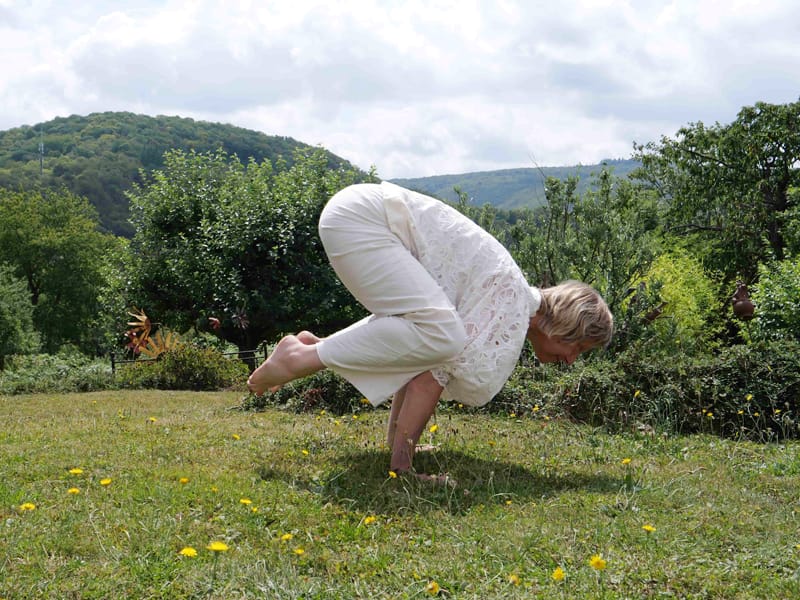
The term “Modern Yoga” typically refers to the posture-based practices that evolved in the 20th century. While modern yoga is excellent for physical health, it is most powerful when integrated with its Sanskrit roots.
At Anandam Yoga School, we believe that a yoga instructor certification in Bali or Germany is incomplete without a deep dive into these disciplines. Understanding the difference between Vinyasa (flow) and Svadhyaya (self-study) is what separates a “fitness instructor” from a true “Yoga Teacher.”
Discover how we fuse this traditional Sanskrit lineage with cutting-edge neuroscience in our 2026 roadmap for Yoga Teacher Training in Bali, where ancient roots meet the edge of modern somatic education.
Why Sanskrit Knowledge is Essential for Your Career
If you are looking for yoga instructor jobs in Germany or international retreats, being able to guide students using the correct Sanskrit terminology is a sign of high-level professionalism. It builds trust with your students and honors the lineage of the practice.
Ready to Master the Disciplines?
Join our upcoming intakes to transform your understanding from theory to practice:
- 200-Hour YTT in Bali: Traditional immersion in a tropical sanctuary.
- 200-Hour YTT in Germany: Authentic Indian lineage in the heart of Europe.
- 200-Hour Yoga Teacher Training Vancouver: Deepen your Sanskrit and asana practice in Canada’s premier wellness hub.
- Yoga Teacher Training Greece: Study the vibration of ancient mantras in a serene Mediterranean setting.
Frequently Asked Questions
What are the 4 disciplines of yoga in Sanskrit?
The four main disciplines (paths) are Karma Yoga (Action), Bhakti Yoga (Devotion), Jnana Yoga (Knowledge), and Raja Yoga (Meditation/Mental Control).
What does "Asana" mean in the 8 limbs?
In Sanskrit, Asana literally means “seat.” In modern yoga, it refers to the physical postures practiced to prepare the body for long periods of meditation.
Why is Sanskrit used in modern yoga classes?
Sanskrit is the vibrational language of yoga. Using terms like Namaste, Shanti, and Asana maintains the connection to the ancient traditions and provides a universal language for practitioners worldwide.
What is the difference between traditional Sanskrit disciplines and modern yoga?
Modern yoga often focuses primarily on Asana (physical postures) for fitness and health. Traditional yoga disciplines in Sanskrit, however, encompass a complete lifestyle including ethics (Yamas), breathwork (Pranayama), and meditation (Dhyana). Authentic schools, like Anandam Yoga School, bridge this gap by teaching the physical practice through the lens of ancient Vedic philosophy.
Do I need to know Sanskrit to get a yoga certification?
While you don’t need to be fluent, a professional yoga certification requires you to understand key terminology. Knowing the Sanskrit names for postures, the 8 Limbs of Yoga, and the 4 Paths is essential for yoga instructor jobs in Germany and Bali, as it demonstrates a deep respect for the tradition and lineage.
How do the yoga disciplines in Sanskrit improve my teaching?
Understanding these disciplines allows a teacher to offer more than just a workout. It provides the tools to guide students through emotional and mental challenges using the wisdom of the Main Seven Indian Sages. This expertise is what differentiates a standard instructor from a lead trainer in the global yoga community.