

The Root Chakra (Muladhara) is the foundation of our entire energy system. It represents stability, security, and our connection to the physical world. When this chakra is balanced, we feel grounded and safe. When imbalanced, we may experience fear, insecurity, or even physical discomfort.
This guide explores the Root Chakra’s function, signs of balance and imbalance, its link to the nervous system, and effective ways to restore harmony through holistic practices.
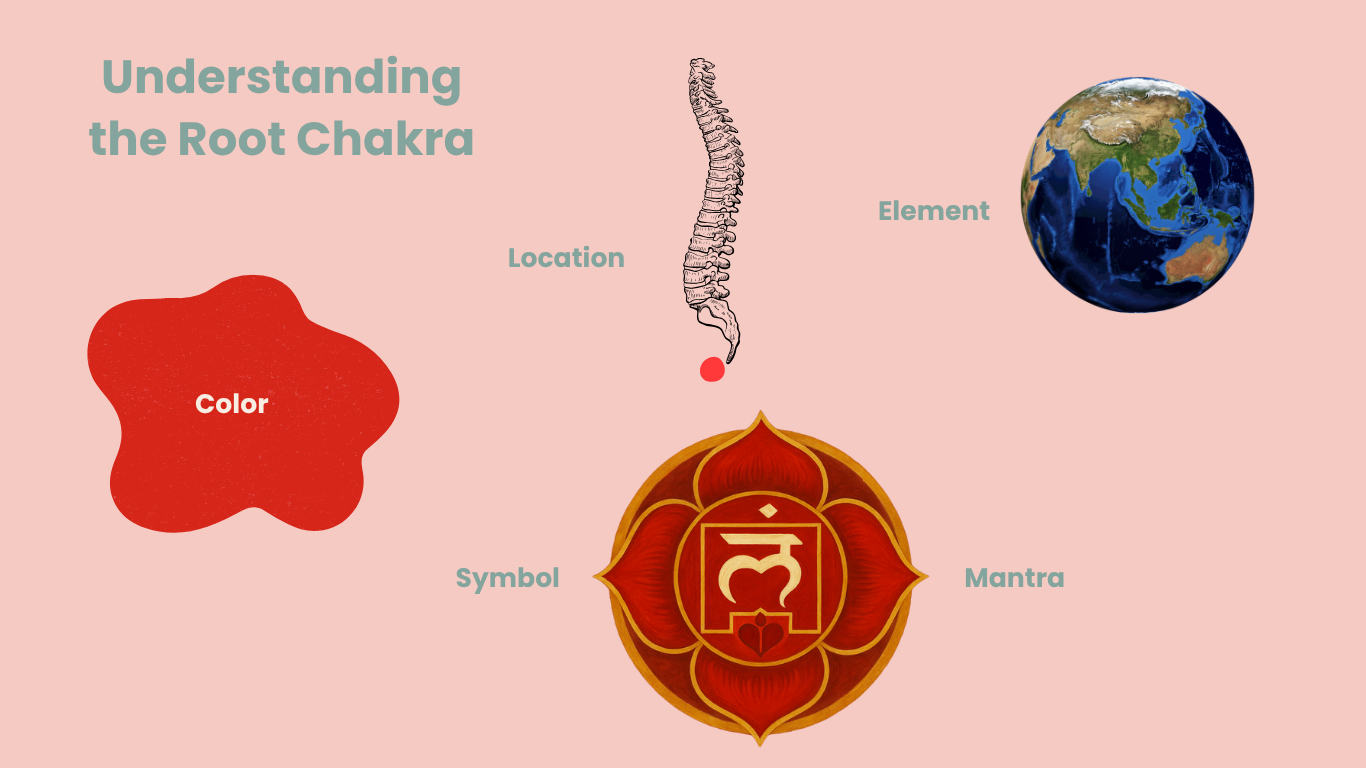
Location: Base of the spine (perineum)
In men: Perineum
In women: Cervix
Symbol: Four-petaled lotus with a square and downward-facing triangle
Color: Red
Element: Earth
Mantra: “Lam”
Governs: Survival, security, stability, basic needs
Associated Prana: Apana Vayu (downward-moving life force)
The Root Chakra governs our basic survival needs—food, shelter, financial security, and belonging. It is the energetic anchor of the body, providing a strong foundation for overall well-being.
This foundational energy center was deeply detailed in the traditional teachings of the Main Seven Indian Sages, who emphasized that without a stable Root, spiritual growth is impossible.
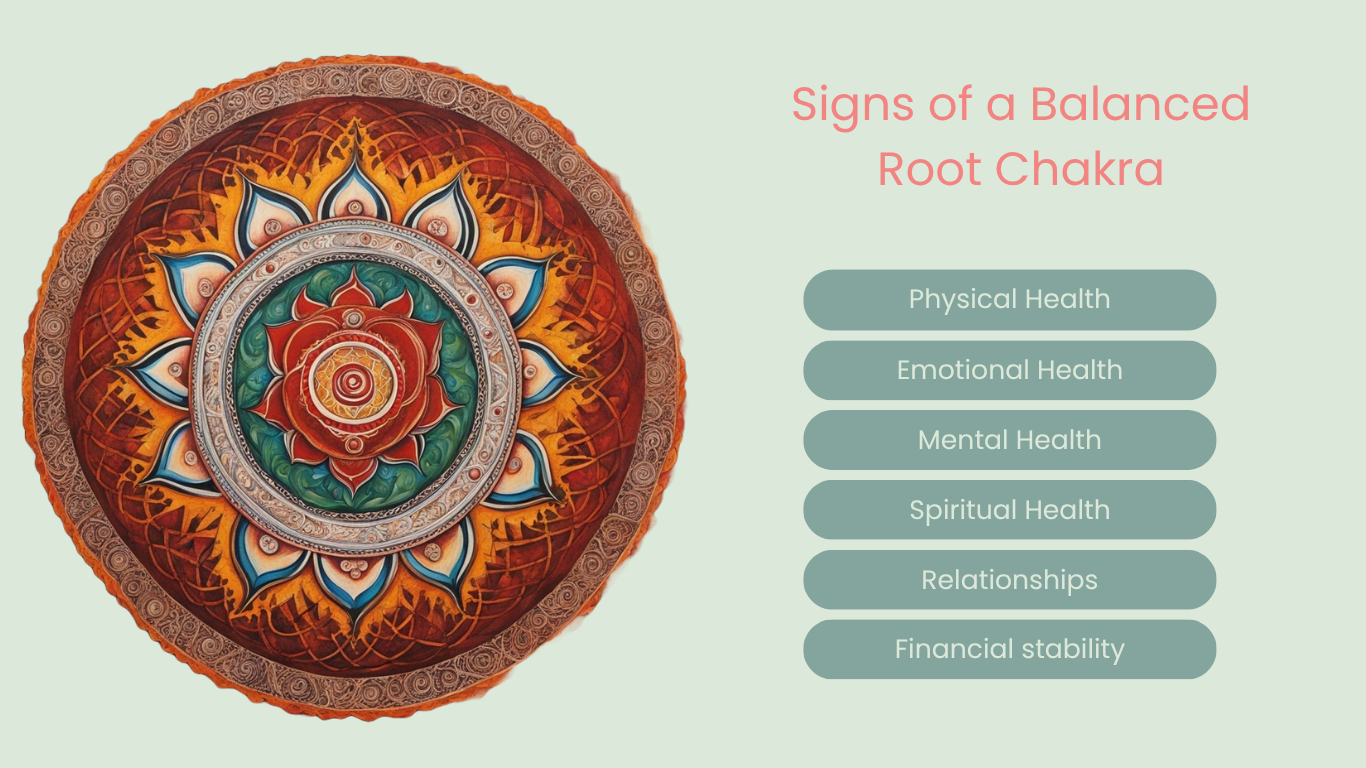
Strong immune system
Healthy digestion and elimination
Good circulation and energy levels
Stable body weight
Sense of safety and security
Ability to trust oneself and others
Feeling present and emotionally resilient
Clear thinking and focus
Confidence in handling challenges
Ease in decision-making
Reduced fear and anxiety
Connection to nature and the Earth
Grounded in spiritual practices
Strong intuition around personal safety
Comfortable in social interactions
Ability to set healthy boundaries
Financial stability and resource flow
Sense of belonging and trust in relationships
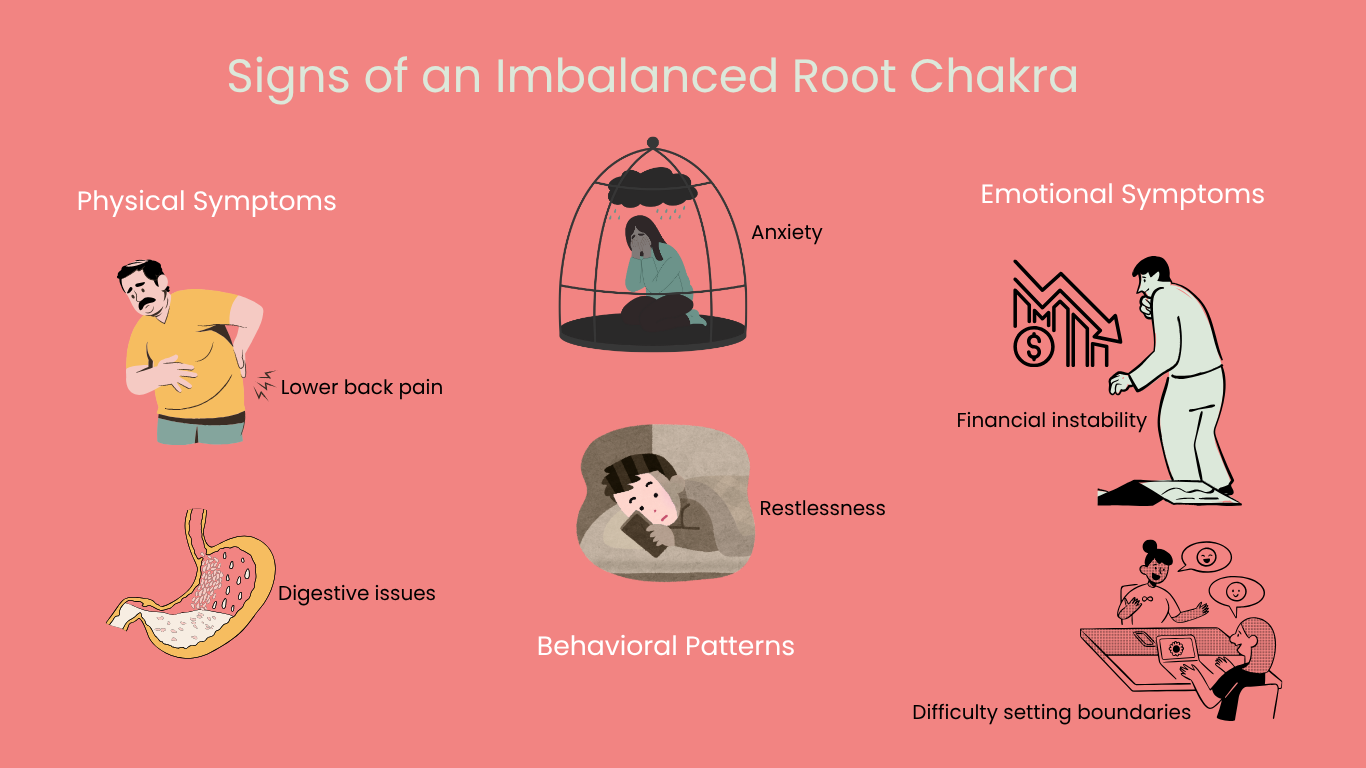
When the Root Chakra is imbalanced, it may manifest in various physical, emotional, and behavioral symptoms.
Lower back pain
Digestive problems
Fatigue
Weakened immune system
Issues with legs, feet, or bones
Chronic anxiety or fear
Restlessness and insecurity
Excessive attachment to material things
Financial instability
Difficulty setting boundaries
Feeling disconnected from the body
Lack of motivation
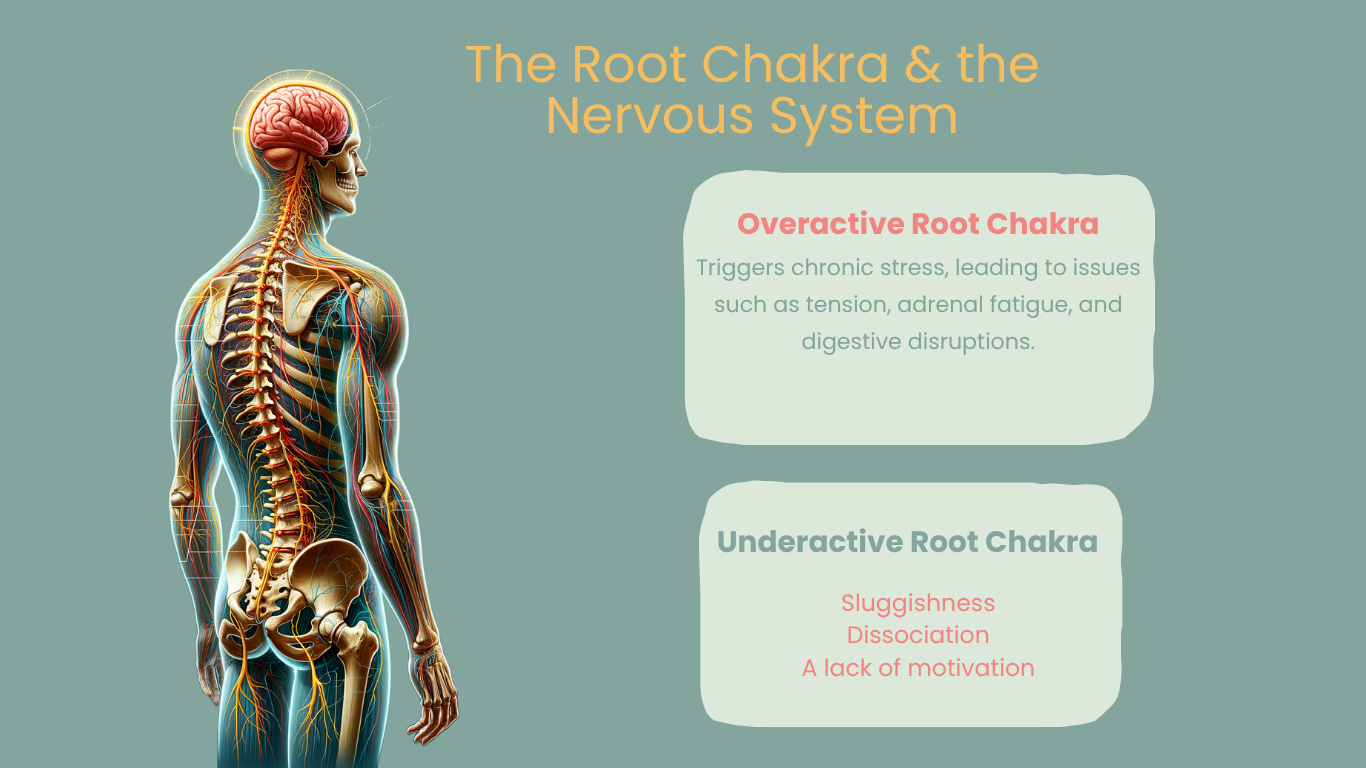
The Root Chakra is connected to the sacral plexus and the autonomic nervous system (ANS). To understand the biology of this link, read our deep dive into the connection between chakras and the nervous system. particularly the sympathetic nervous system (SNS) responsible for the fight-or-flight response.
Overactive Root Chakra: May lead to chronic stress, adrenal fatigue, and digestive issues.
Underactive Root Chakra: Can cause sluggishness, low motivation, and dissociation.
Balancing it helps regulate the nervous system and reduce stress, leading to a more resilient and grounded state of being.
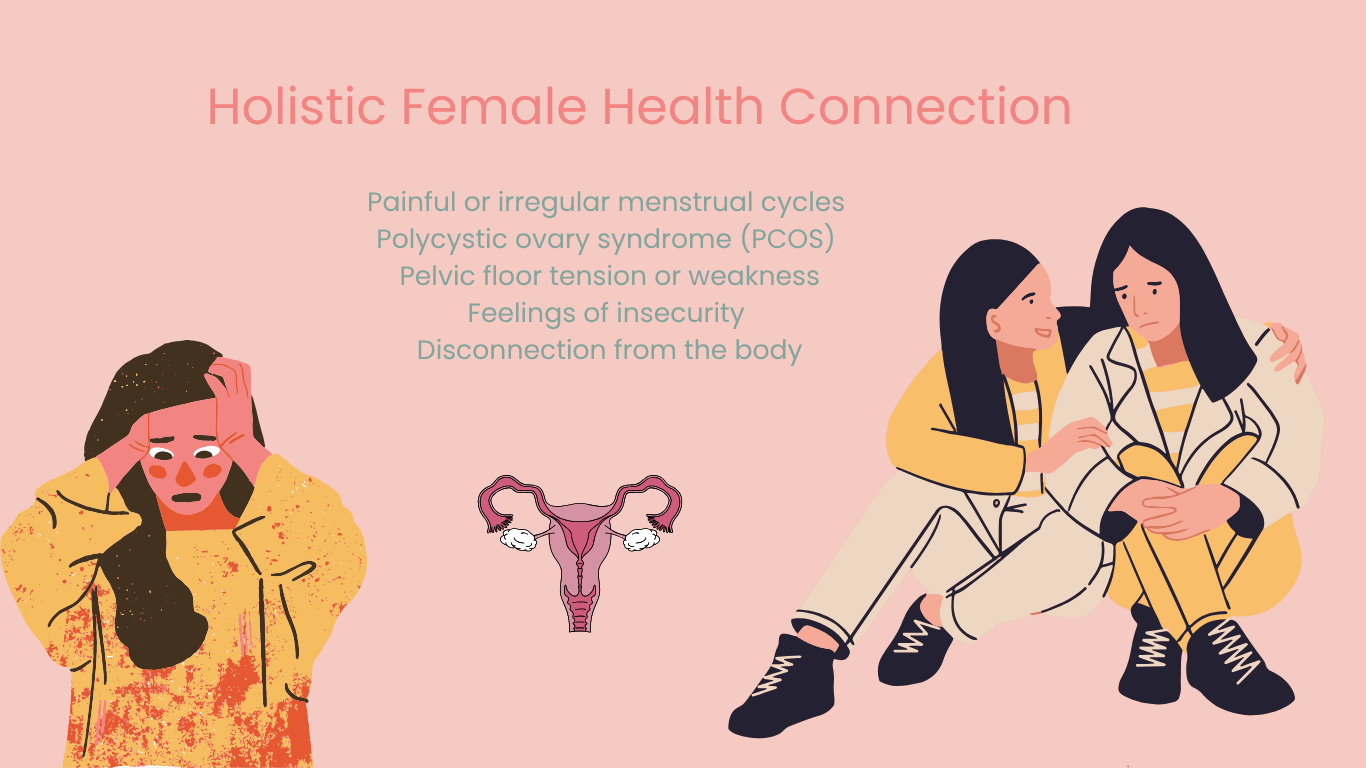
The Root Chakra plays a significant role in female health and maintaining hormonal balance. As the energetic foundation, imbalance in this chakra can affect:
Menstrual cycle regularity
Fertility and hormonal imbalances (e.g., PCOS)
Pelvic floor strength and function
Emotional safety and sexual wellness
Symptoms may include painful periods, adrenal fatigue, pelvic tension, and feelings of insecurity or body disconnection.
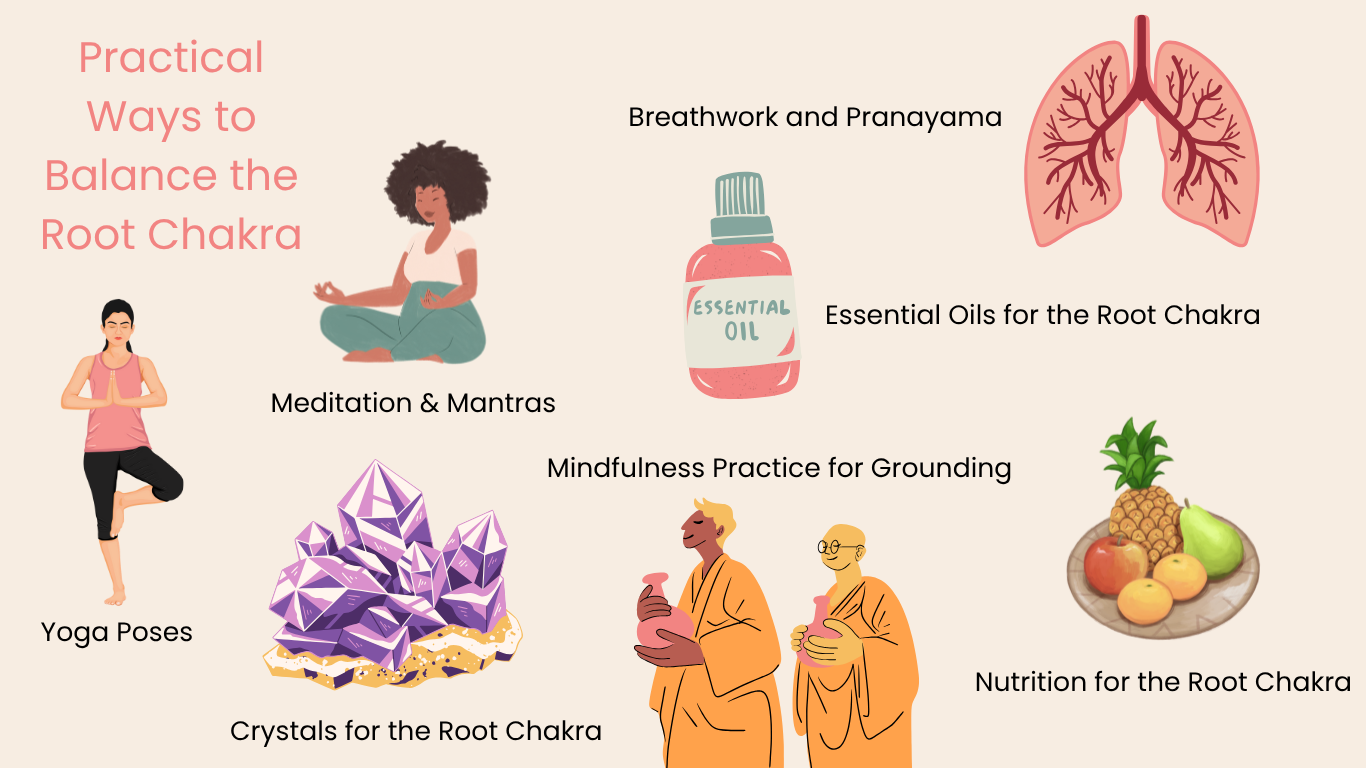
Grounding yoga, particularly the steady and comfortable poses of Traditional Hatha Yoga, helps restore balance to the Root Chakra by engaging the lower body and calming the mind.
Standing Poses: Tadasana, Warrior I, Chair Pose
Seated Poses: Easy Pose, Seated Forward Fold
Balance Poses: Tree Pose
Reclining Poses: Reclining Bound Angle Pose, Savasana
Breathing techniques calm the nervous system and stimulate energy flow.
Deep belly breathing
Three-part yogic breathing with mula bandha
Alternate Nostril Breathing (Nadi Shodhana)
Ujjayi breath
Bhastrika and Kapalabhati to energize and detoxify
Visualize a red energy ball at the base of your spine
Chant the mantra “Lam”
Practice guided meditations focused on grounding and stability
Red Jasper: Endurance and strength
Ruby: Protection and safety
Hematite: Grounding and balance
Smoky Quartz: Clears negativity
Black Tourmaline: Emotional security
Sit or lie down and focus on your perineum. Inhale deeply into this area, and exhale to release fear or tension. Practice for 5–10 minutes daily.
Cedarwood: Strengthens sense of safety
Vetiver: Deep relaxation and calm
Patchouli: Connects to Earth energy
Sandalwood: Promotes stability and inner peace
Foods that are grounding, warming, and mineral-rich support this energy center.
Root Vegetables: Carrots, beets, potatoes, onions
Proteins: Beans, lentils, legumes, nuts
Red Foods: Strawberries, tomatoes, red peppers
Minerals: Leafy greens, mushrooms, rock salt
Warm Meals: Herbal teas, soups, stews
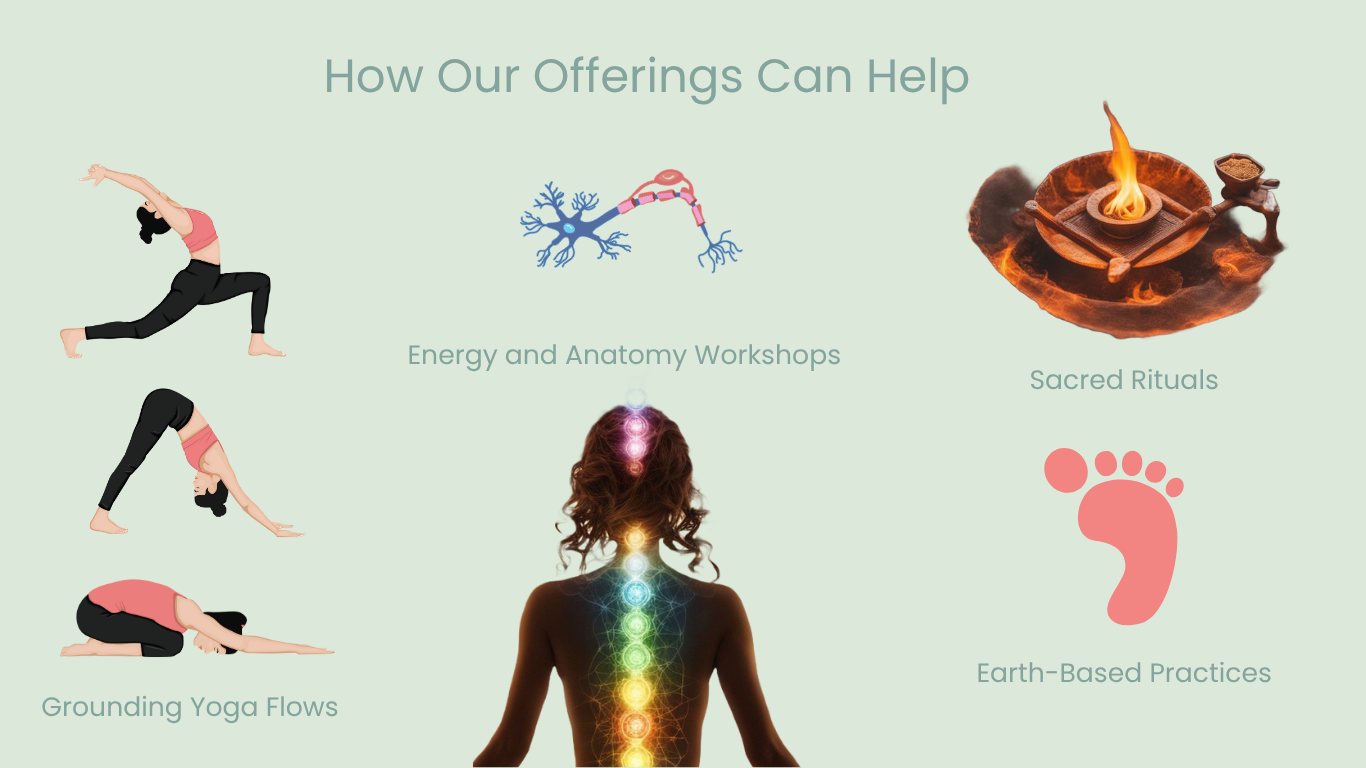
In our yoga retreats and teacher training programs, we help you align and strengthen your Root Chakra through:
Grounding Yoga Flows that engage the core and lower body
Earth-Based Practices like barefoot walking and sitting on natural surfaces
Breathwork Training to regulate the nervous system
Energy Anatomy Workshops that explain the Chakra’s role in stability and posture
Sacred Rituals including fire ceremonies and grounding affirmations
These practices help create a solid foundation for spiritual growth, emotional safety, and personal empowerment.
The Root Chakra is key to feeling safe, stable, and grounded in your body and the world. When nurtured, it allows you to approach life with confidence, resilience, and peace.
Reflection Question:
Do you feel grounded and secure, or do you often experience fear and instability? What grounding practices can you incorporate into your daily routine?
Stay tuned for the next part of this chakra series, where we’ll explore the Sacral Chakra—the center of creativity, pleasure, and emotional flow.
Read More Blogs about Chakras:
