
Heart Chakra: The Center of Love, Compassion, and Emotional Healing
Introduction
The Heart Chakra (Anahata) is the fourth chakra in the body’s energy system. It governs love, compassion, emotional healing, and connection.
While our previous guides focused on the grounding energy of the Root Chakra and the personal empowerment of the Solar Plexus Chakra, Anahata acts as the bridge to our higher consciousness. When in balance, we experience harmonious relationships, deep self-love, and emotional openness. When imbalanced, we may struggle with emotional wounds, fear of intimacy, or difficulty in giving and receiving love.
In this blog, we will explore the Heart Chakra’s function, signs of balance and imbalance, its connection to the nervous system, and practical ways to restore harmony.
Understanding the Heart Chakra
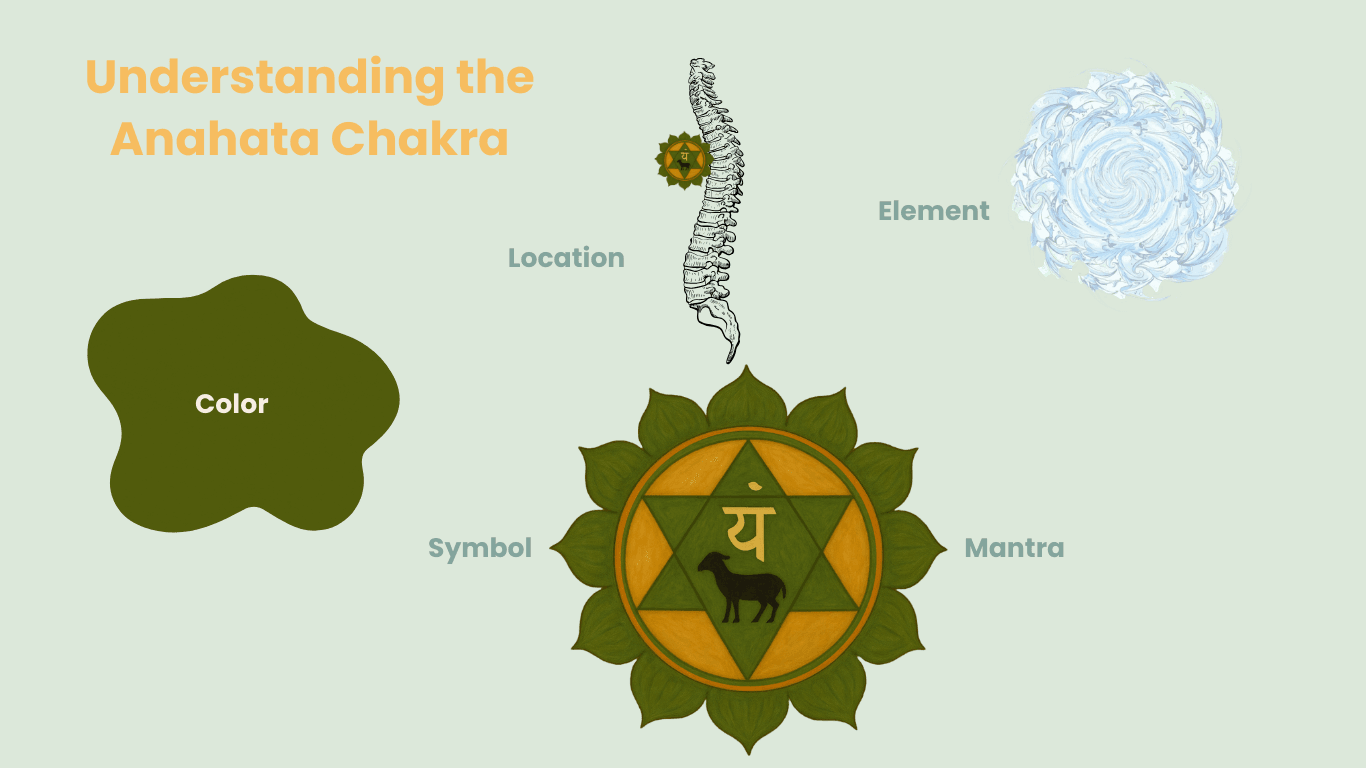
Location: Center of the chest, near the heart
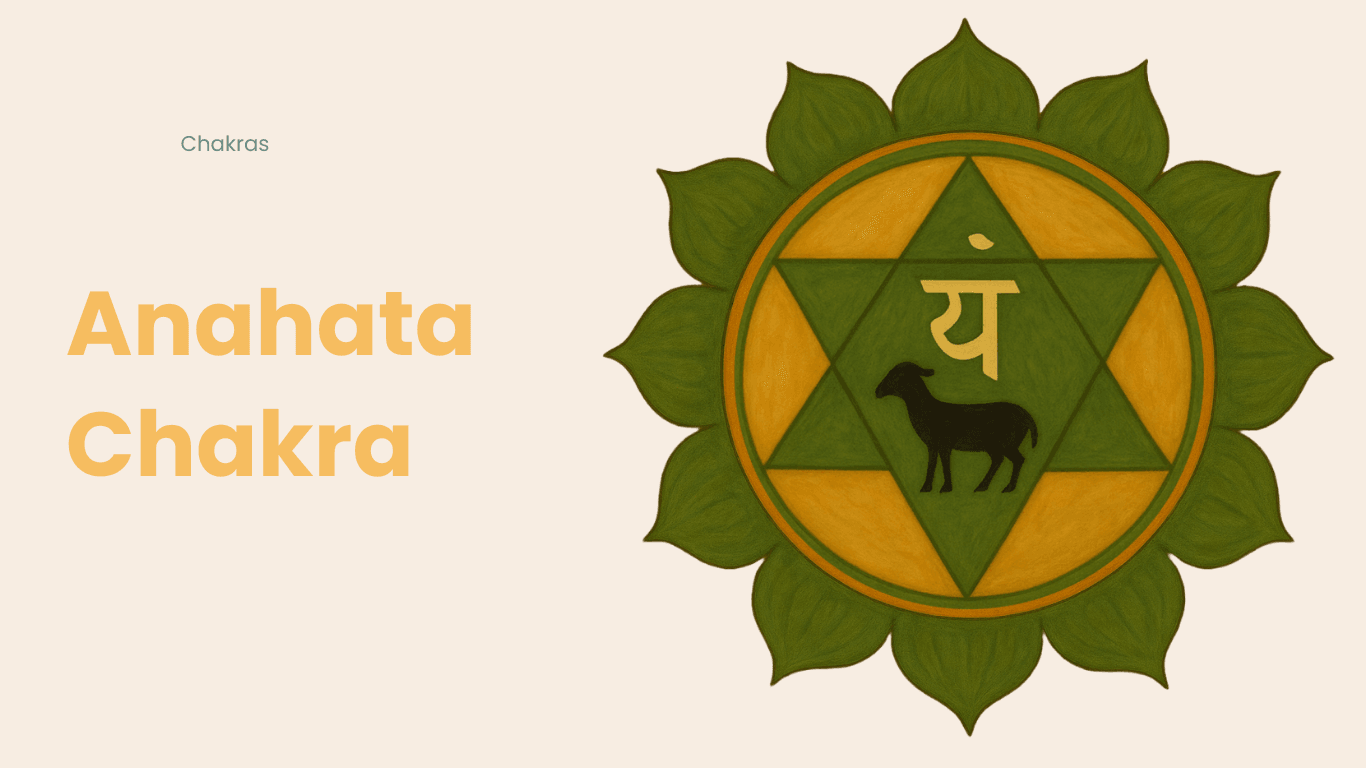
Symbol: A twelve-petaled lotus with two intersecting triangles, symbolizing the union of spiritual and earthly love
Color: Green
Element: Air
Governs: Love, compassion, forgiveness, emotional balance, and relationships
Mantra: “Yam”
Associated Prana: Prana Vayu (energy of the breath, heart, and circulation)
The Heart Chakra is the bridge between the lower and upper chakras, integrating earthly experiences with spiritual connection. Many of these foundational concepts are rooted in traditional Yoga Disciplines in Sanskrit, which define how we process energy through the physical and spiritual bodies. It enables us to love deeply, connect authentically, and cultivate inner peace.
Signs of a Balanced Heart Chakra
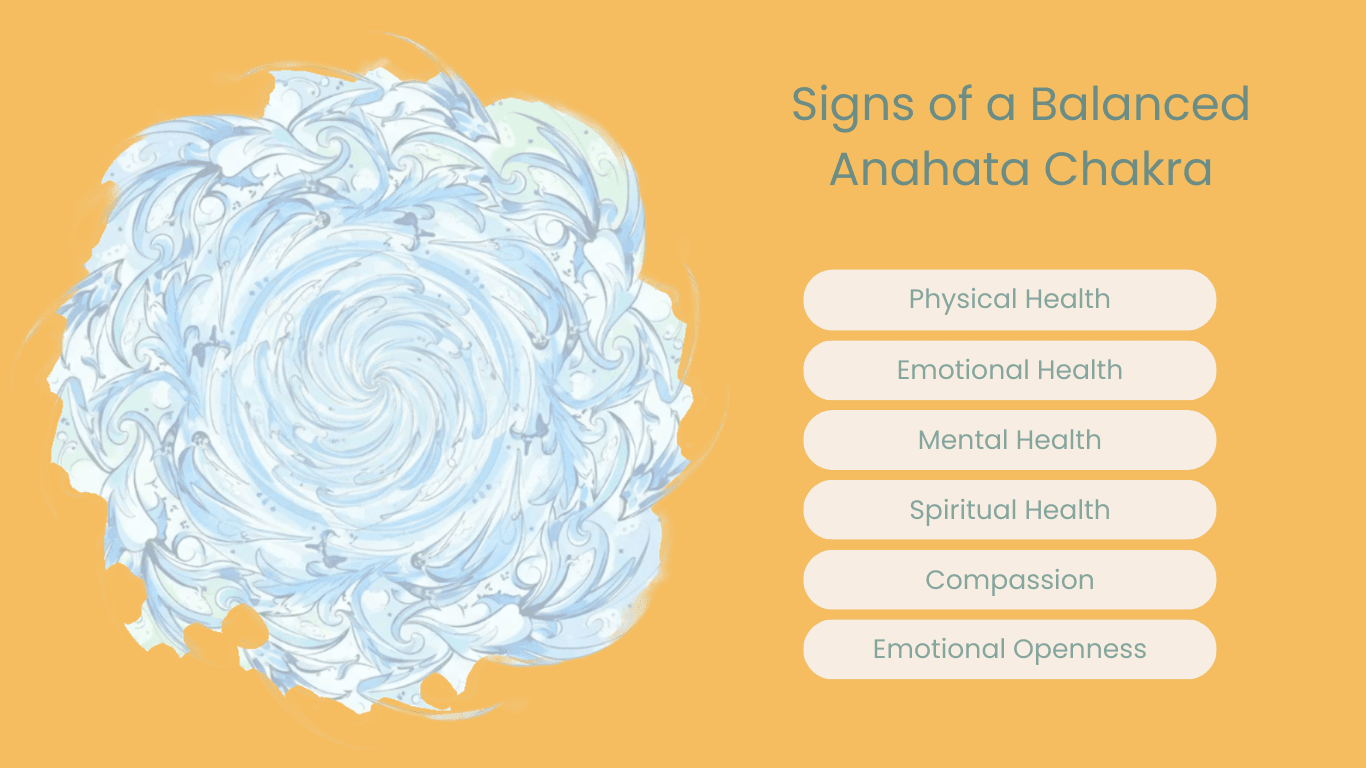
Physical Health:
Healthy heart and lungs
Strong immune system and circulation
Balanced blood pressure and breathing patterns
Emotional Health:
Ability to give and receive love freely
Emotional resilience and forgiveness
A sense of joy, gratitude, and inner peace
Mental Health:
Acceptance of oneself and others
Ability to heal emotional wounds with grace
Emotional stability and healthy coping mechanisms
Relationships:
Loving, trusting, and compassionate connections
Ability to maintain emotional boundaries
Healthy balance between self-love and love for others
Spiritual Health:
Deep connection to universal love
Ability to find beauty and joy in life
Sense of interconnectedness with all beings
Compassion & Emotional Openness:
Empathy and kindness toward oneself and others
Ability to be vulnerable and open-hearted
Living from a place of unconditional love
Signs of an Imbalanced Heart Chakra
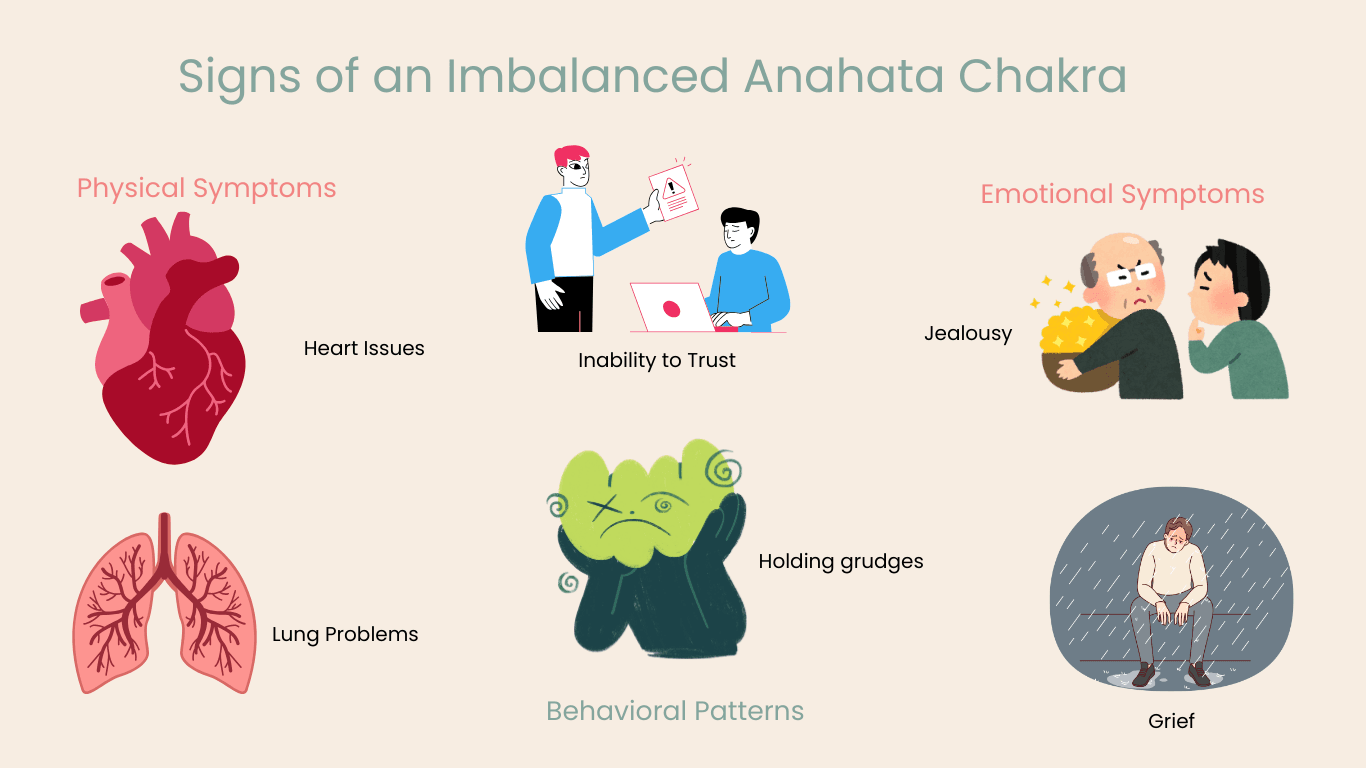
An imbalanced Heart Chakra can manifest as:
Physical Symptoms: Heart issues, lung problems, poor circulation, immune system disorders
Emotional Symptoms: Jealousy, fear of intimacy, emotional detachment, grief
Behavioral Patterns: Holding grudges, self-sacrificing tendencies, inability to trust
The Heart Chakra & the Nervous System
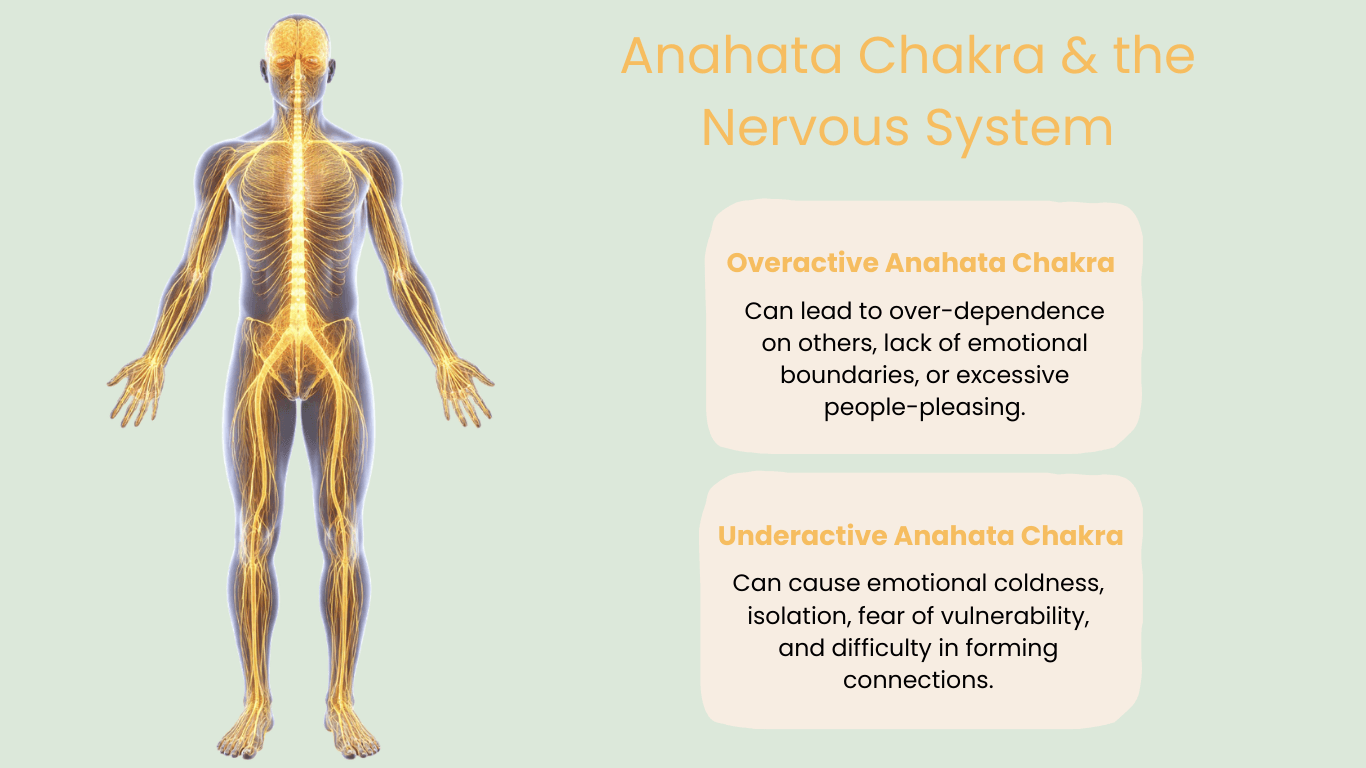
The Heart Chakra is closely linked to the cardiac plexus and the autonomic nervous system, which regulate heart rate, breathing, and emotional responses. Understanding these connections is a core part of the lineage shared by the Main Seven Indian Sages, who taught that a calm heart is the key to spiritual evolution.
Overactive Heart Chakra: Can lead to over-dependence on others, lack of emotional boundaries, or excessive people-pleasing.
Underactive Heart Chakra: Can cause emotional coldness, isolation, fear of vulnerability, and difficulty in forming connections.
Balancing the Heart Chakra helps cultivate love, forgiveness, and emotional well-being.
Experience Heart-Centered Teaching in 2026 Deepen your practice of the 8 Limbs and Chakra balancing in a professional environment. Join our 200-Hour Yoga Teacher Course in Bali or our intensive Yoga Teacher Training in Germany to learn authentic Indian lineage in a modern setting.
Holistic Female Health Connection
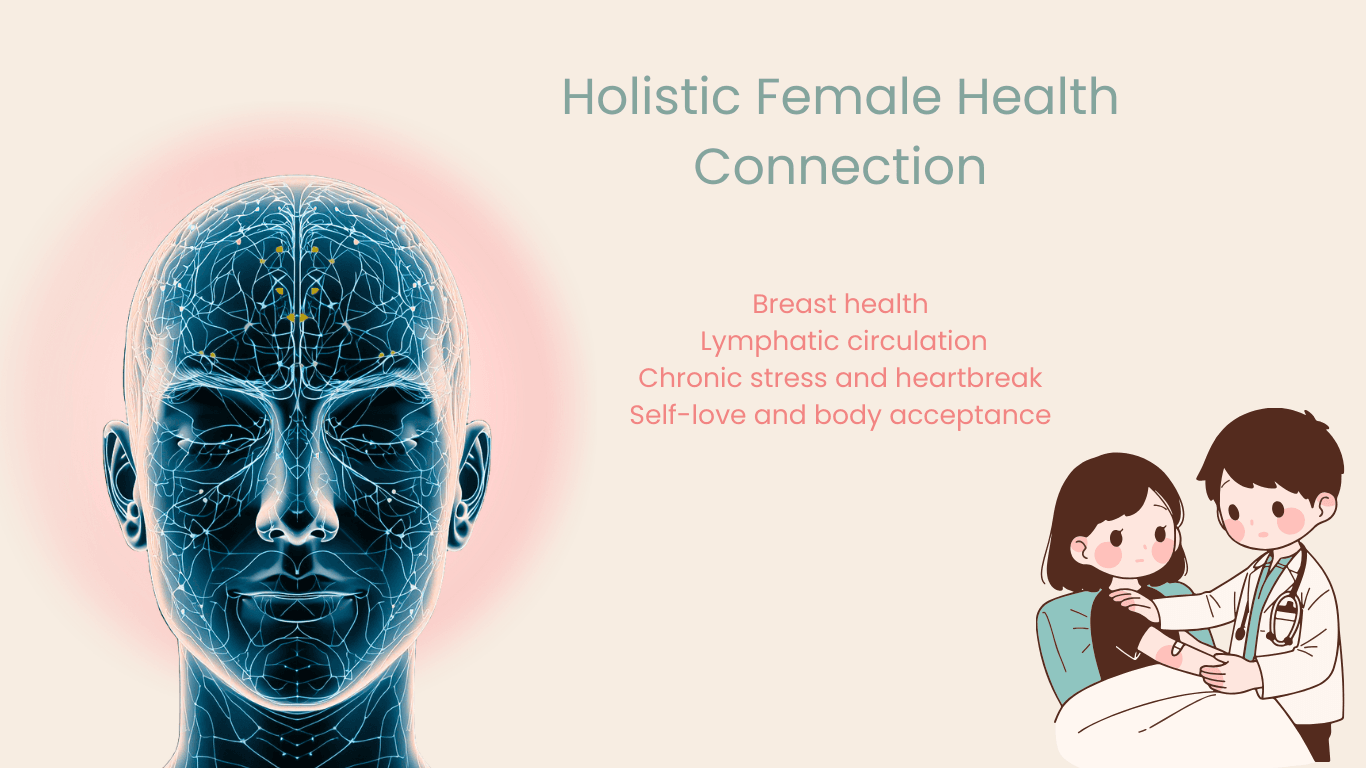
The Heart Chakra is deeply tied to hormonal balance and emotional well-being, which significantly impact women’s health.
Chronic stress and heartbreak can lead to hormonal imbalances affecting menstrual cycles and overall vitality.
Breast health and lymphatic circulation are connected to the flow of energy through the Heart Chakra.
Self-love and body acceptance play a crucial role in maintaining mental and physical health. By nurturing the Heart Chakra, women can enhance their emotional health, foster self-love, and build supportive relationships.
Practical Ways to Balance the Heart Chakra
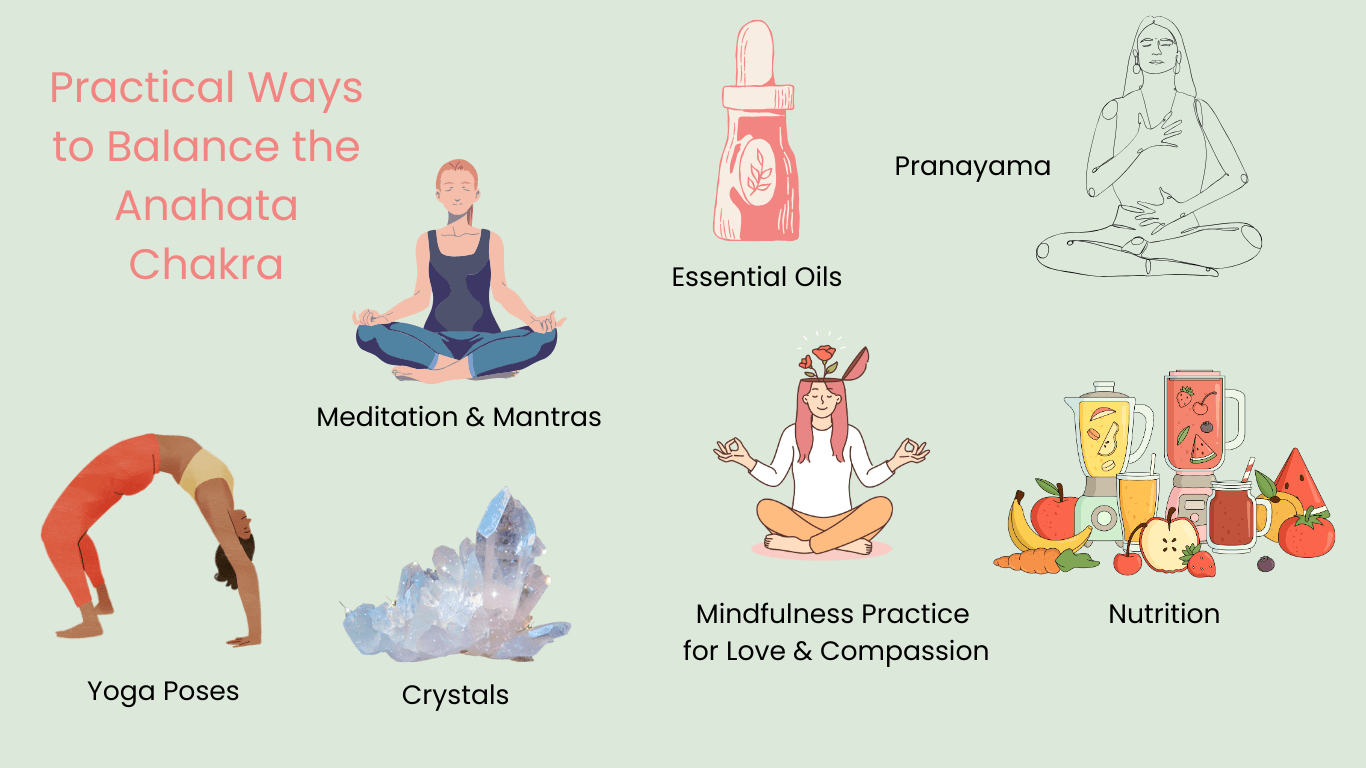
1. Yoga Poses
Heart Openers: Ustrasana (Camel Pose), Anahatasana (Melting Heart Pose)
Backbends: Bhujangasana (Cobra Pose), Urdhva Dhanurasana (Wheel Pose)
Seated Postures for Gratitude: Sukhasana (Easy Pose) with hands on heart
2. Breathwork & Pranayama
Nadi Shodhana (Alternate Nostril Breathing): Balances emotions
Bhramari (Bee Breath): Soothes anxiety and calms the heart
Ujjayi (Ocean Breath): Enhances relaxation and emotional flow
3. Kriyas for the Heart Chakra
Jal Neti (Nasal Cleansing): Clears blocked energy pathways
Hridaya Mudra (Heart Gesture): Supports emotional release and healing
4. Meditation & Mantras
Heart Chakra Meditation: Visualizing a radiant green light expanding from the heart
Mantra Chanting: Repeating “Yam” to harmonize heart energy
Loving-Kindness Meditation: Sending love to oneself and others
5. Crystals for the Heart Chakra
Rose Quartz (unconditional love and healing)
Green Aventurine (emotional harmony and renewal)
Emerald (compassion and forgiveness)
Rhodonite (emotional balance and heart healing)
6. Mindfulness Practice for Love & Compassion Sit quietly with one hand on your heart. With each inhale, breathe in love and warmth. With each exhale, release pain and resentment. Practice for 5-10 minutes daily to cultivate self-love and emotional healing.
7. Essential Oils for the Heart Chakra
Rose: Opens the heart and encourages love
Lavender: Soothes emotional wounds and calms the heart
Jasmine: Enhances self-acceptance and confidence
Bergamot: Promotes emotional balance and joy
8. Nutrition for the Heart Chakra
Green-colored foods: Spinach, kale, broccoli, green apples
Heart-healthy foods: Avocados, walnuts, flaxseeds, olive oil
Calming teas: Chamomile, rose, hibiscus
Magnesium-rich foods: Almonds, cacao, bananas (to support heart health)
Cultivating a heart-centered teaching style is the foundation of our community-focused yoga teacher training Vancouver and our serene coastal training in Greece.
Specific yoga postures can also help activate and balance this energy center. You can explore several effective asanas in our Yoga Poses guide.
Frequently Asked Questions about Anahata (Heart Chakra)
How do I know if my Heart Chakra is blocked?
Common signs of a blocked Anahata include feelings of isolation, difficulty forgiving others, and a lack of self-compassion. Physically, you might feel tightness in the chest or have shallow breathing. Practicing heart-opening yoga and deep pranayama can help release these emotional blockages.
Which yoga poses are most effective for opening the Heart Chakra?
Poses that expand the chest and thoracic spine are best. We recommend Ustrasana (Camel Pose), Bhujangasana (Cobra Pose), and Anahatasana (Melting Heart Pose). In our 200-Hour Yoga Teacher Training in Bali, we teach the precise alignment needed to open the heart safely and deeply.
What is the best mantra for Heart Chakra healing?
The seed mantra (Bija Mantra) for the Heart Chakra is “Yam.” Chanting this sound creates a vibration that resonates in the heart center, helping to harmonize emotional energy. This is often practiced alongside Bhakti Yoga, the yoga of devotion and love.
Can balancing the Heart Chakra help with career stress?
Yes. A balanced Anahata allows you to approach professional challenges with compassion and emotional stability. Many students joining our Yoga Teacher Training in Germany find that heart-centered practices help them navigate career transitions with more clarity and less fear.
Conclusion & Reflection
The Heart Chakra is the center of love, compassion, and emotional healing. By nurturing this energy center, we open ourselves to deeper connections, joy, and inner peace.
Reflection: Do you allow yourself to give and receive love freely? How do you practice self-love and compassion in your daily life?
Let’s explore our next blog on the Throat Chakra and its connection to self-expression, truth, and communication!