
Complete Guide to Yoga Poses (Asanas): Sanskrit Names, Benefits & Chakra Activation
Quick Navigation
This guide explores 50+ yoga poses (asanas), their categories, chakra connections, and detailed pose tutorials.
INTRODUCTION
Yoga poses, traditionally known as asanas, are the physical foundation of yoga practice. These postures are not only designed to strengthen the body but also to prepare the mind for deeper states of meditation and awareness.
In classical yoga traditions, every pose carries both physical and energetic significance. Many yoga poses influence the body’s subtle energy centers, known as chakras, helping practitioners cultivate balance, vitality, and mental clarity.
Today, yoga practitioners around the world practice asanas for flexibility, strength, relaxation, and spiritual growth. In professional programs such as the Yoga Teacher Training in Bali, students study yoga poses in depth, learning the anatomy, alignment, philosophy, and teaching methodology behind each posture.
Yoga poses range from beginner-friendly postures to advanced arm balances and deep backbends. Understanding their benefits, variations, and energetic effects allows practitioners to deepen their practice safely.
What are Yoga Asanas?
The word asana originates from Sanskrit and means “seat” or “posture.” In the ancient yogic tradition described in texts such as the Yoga Sutras of Patanjali, asanas were originally practiced as stable positions for meditation.
Over centuries, yoga evolved to include hundreds of postures designed to improve:
strength
flexibility
balance
concentration
breath control
Modern yoga combines these ancient postures with principles of anatomy and mindfulness, creating a powerful system for both physical and mental well-being.
In structured yoga programs like 200 Hour Yoga Teacher Training, students learn how to perform, analyze, and teach yoga poses safely.

Main Categories Of Yoga Poses
Yoga includes hundreds of poses and variations. Below is a list of 50+ traditional yoga poses (asanas) grouped by category to help practitioners explore different aspects of yoga practice.
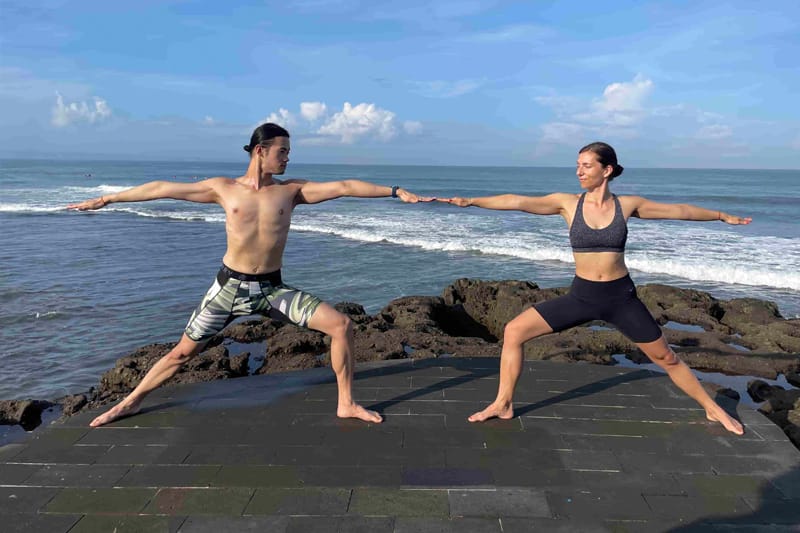
Standing Yoga Poses
Standing poses build stability, balance, and strength in the legs and core.
Examples include:
- Mountain Pose (Tadasana)
- Warrior I (Virabhadrasana I)
- Warrior II (Virabhadrasana II)
- Triangle Pose (Trikonasana)
- Extended Side Angle Pose
- Tree Pose (Vrikshasana)
These poses help develop endurance and alignment, making them essential for beginners
Seated Yoga Poses
Seated poses promote flexibility in the hips and spine and are often used for meditation.
Common seated poses include:
- Swan Pose
- Krounchasana
- Lotus Pose (Padmasana)
- Bound Angle Pose (Baddha Konasana)
- Bound Angle Pose (Baddha Konasana)


Arm Balance Poses
Arm balances require strong core engagement and concentration.
Popular arm balance poses include:
- Bakasana (Crow Pose)
- Kukkutasana
- Kakrakasana
- Peacock Pose (Mayurasana)
- Side Crow Pose
These poses help develop endurance and alignment, making them essential for beginners
Backbend Poses
Backbending poses open the chest, improve spinal mobility, and stimulate energy flow through the heart chakra.
Examples include:
- Kapotasana
- Kapinjalasana
- Camel Pose (Ustrasana)
- Bridge Pose (Setu Bandhasana)
- Wheel Pose (Chakrasana)
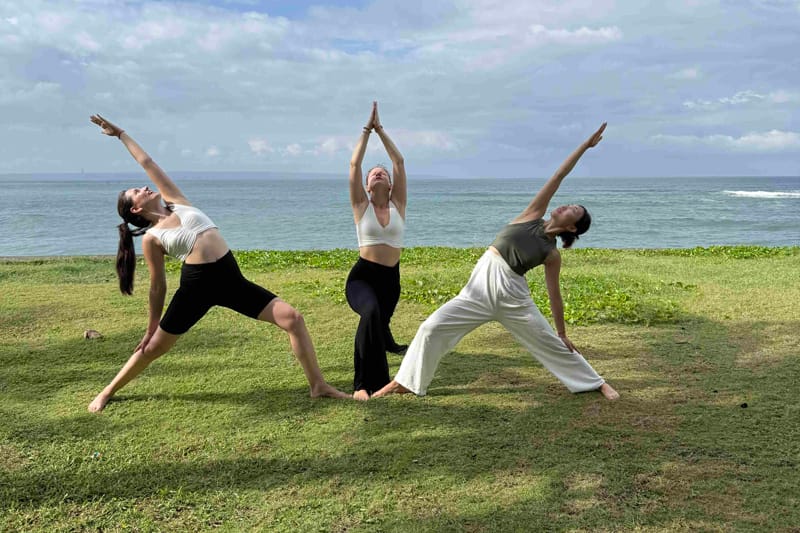
Inversion Yoga Poses
Inversions improve circulation and concentration.
Examples include:
- Shoulder Stand (Sarvangasana)
- Headstand (Sirsasana)
- Headstand (Sirsasana)
- Plow Pose (Halasana)
- Handstand (Adho Mukha Vrksasana)
Restorative Yoga Poses
Restorative poses help relax the nervous system.
Examples include:
- Child’s Pose (Balasana)
- Child’s Pose (Balasana)
- Reclined Bound Angle Pose
- Legs Up the Wall (Viparita Karani)
Yoga Poses And Chakras
In yogic philosophy, the human body contains seven main chakras, or energy centers. Each chakra is associated with specific emotional, psychological, and physical qualities. Yoga poses can help activate and balance these energy centers. Many of these connections between asanas and subtle energy are also studied in depth during professional programs such as Yoga Teacher Training in Bali, where students explore both the physical and energetic aspects of yoga practice.
Root Chakra (Muladhara)
The root chakra represents stability, grounding, and survival.
Best yoga poses for root chakra activation include:
- Mountain Pose
- Warrior
- Malasana (Garland Pose)
These poses strengthen the legs and create a strong foundation for the body.
Sacral Chakra (Svadhisthana)
The sacral chakra governs creativity, pleasure, and emotional balance.
Helpful yoga poses include:
- Swan Pose
- Bound Angle Pose
- Goddess Pose
These poses open the hips and help release stored tension.
Solar Plexus Chakra (Manipura)
The solar plexus chakra is connected to personal power and confidence.
Yoga poses for this chakra include:
- Plank Pose
- Boat Pose
- Bakasana
These poses activate the core muscles and strengthen determination.
Heart Chakra (Anahata)
The heart chakra represents compassion, connection, and emotional openness.
Heart chakra yoga poses include:
- Kapotasana
- Camel Pose
- Bridge Pose
Backbending poses are especially effective for opening the chest and stimulating this chakra.
Throat Chakra (Vishuddha)
The throat chakra governs communication and self-expression.
Effective throat chakra yoga poses include:
- Shoulder Stand
- Fish Pose
- Plow Pose
Deepen Your Practice
Master yoga poses, alignment, and teaching methodology in our Yoga Alliance certified teacher training programs.
Popular Yoga Poses To Explore
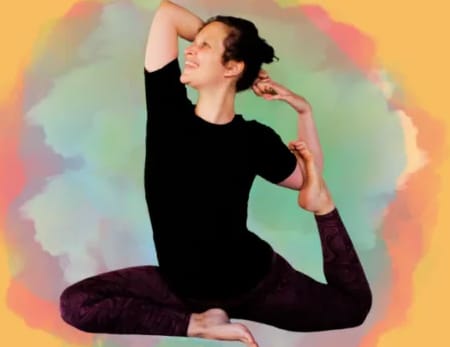
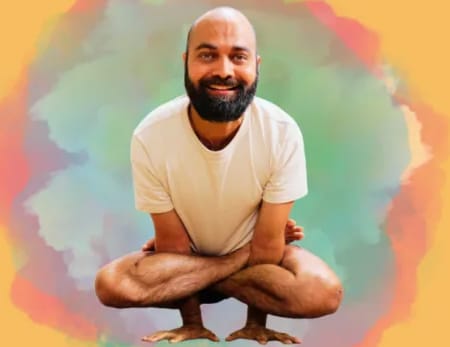
Below are some classical yoga poses that help develop strength, flexibility, and balance.



Why Yoga Poses Matter In Teacher Training?
Understanding yoga poses is essential for anyone interested in becoming a yoga teacher.
During professional training programs such as Yoga Teacher Training in Bali, students learn:
correct alignment principles
injury prevention techniques
teaching methodology
pose modifications and adjustments
Teacher training also covers yoga philosophy, anatomy, meditation, and pranayama.
Frequently Asked Questions: Yoga Poses and Asanas
What are yoga poses called in Sanskrit?
Yoga poses are traditionally called asanas in Sanskrit. The word “asana” means posture or seat, and in yoga it refers to the physical positions practiced to build strength, flexibility, balance, and inner awareness.
How many yoga poses are there?
Traditional yoga texts often refer to 84 classical asanas, but modern yoga includes hundreds of poses and variations. These can range from beginner-friendly postures to advanced arm balances, backbends, and meditative poses.
What are the main categories of yoga poses?
Yoga poses are usually grouped into categories such as standing poses, seated poses, arm balances, backbends, inversions, and restorative poses. Each category supports different physical and energetic benefits in yoga practice.
Are yoga poses connected to chakras?
Yes, many yoga poses are traditionally associated with the body’s chakra system. For example, grounding poses may support the root chakra, backbends can stimulate the heart chakra, and certain inversions are connected with the throat chakra.
What are the best yoga poses for beginners?
Some of the best yoga poses for beginners include Mountain Pose, Warrior I, Bound Angle Pose, Child’s Pose, and gentle seated stretches. Beginner poses help develop alignment, stability, flexibility, and awareness before moving into more advanced asanas.
Why are yoga poses important in yoga teacher training?
Yoga poses are a foundational part of Yoga Teacher Training because students must understand alignment, modifications, anatomy, breath awareness, and safe teaching techniques. Learning poses in depth helps future teachers guide others with confidence.
Can learning yoga poses help deepen my yoga practice?
Yes. Studying yoga poses more deeply can improve body awareness, concentration, flexibility, and breath control. It also helps practitioners understand the connection between physical movement, subtle energy, and traditional yogic philosophy.
Where can I learn yoga poses in more depth?
You can explore individual pose tutorials, chakra-based yoga guides, and structured programs such as Yoga Teacher Training in Bali, where students study asanas, alignment, philosophy, anatomy, meditation, and teaching methodology in depth.
Start Your Yoga Teacher Training Journey
Mastering yoga poses is only the first step in the deeper path of yoga.
If you want to transform your personal practice into the ability to guide others, structured programs such as Yoga Teacher Training Bali provide comprehensive education in:
yoga asanas
meditation and pranayama
yoga philosophy
teaching skills
